Jospong Group, one of Ghana’s leading business conglomerates, has announced a new sustainability and innovation initiative aimed at supporting environmental management, job creation, and the development of a circular economy in Ghana.
The initiative, titled “Jospong Green Future,” will bring together businesses within the Jospong Group to develop practical solutions for waste reduction, recycling, resource recovery, and sustainable business practices.
Speaking at the launch in Accra, [Name, Title] said the initiative reflects the Group’s commitment to contributing to Ghana’s sustainable development.
“We believe that sustainability and innovation must be central to the way businesses operate. Through collaboration, technology, and responsible investment, we can create economic opportunities while building a cleaner and more sustainable Ghana,” said [Name].
The programme will focus on expanding recycling and resource-recovery activities, promoting environmental awareness, supporting technology-driven waste management solutions, and creating opportunities for young people and entrepreneurs to participate in the green economy.
Jospong Group also plans to work with government institutions, private-sector organisations, development partners, communities, and other stakeholders to strengthen the impact of the initiative.
The Group expects the programme to contribute to improved environmental outcomes while supporting local enterprise development and employment opportunities.
About Jospong Group
Jospong Group is a diversified Ghanaian business group with interests spanning multiple sectors of the economy. Through its portfolio of companies and partnerships, the Group contributes to economic development and provides products and services to communities in Ghana and beyond.
Stakeholders demand strategic investment and enforcement of by-laws
Ghana’s worsening environmental crisis has reached a critical stage, demanding an urgent shift from symbolic corporate gestures to strict enforcement of environmental laws and strategic investment in sustainability.
This was the central message at the Business and Financial Times 2026 Environmental Sustainability Summit (ESS), which opened in Accra on Tuesday, June 16.
Organised by B&FT in collaboration with Jospong Group, Gold Fields and GOENERGY, the gathering convened regulators, corporate leaders, environmental scientists, development practitioners and climate finance experts to identify practical and immediate solutions to the country’s mounting ecological challenges.
In his opening remarks, the Chief Executive Officer of B&FT, Dr. Godwin Acquaye, warned that environmental degradation has evolved from a conservation concern into a direct threat to national development and economic stability.
He expressed worry over the rapid depletion of natural resources, stressing that protection can no longer be treated as a secondary issue.
“The way we are destroying this gift that God has given to us is alarming,” Dr. Acquaye said. “Forests are being depleted at an alarming rate, and unchecked destruction could undermine every effort to achieve sustainable development. The environment remains the foundation of life and livelihoods,” he noted.
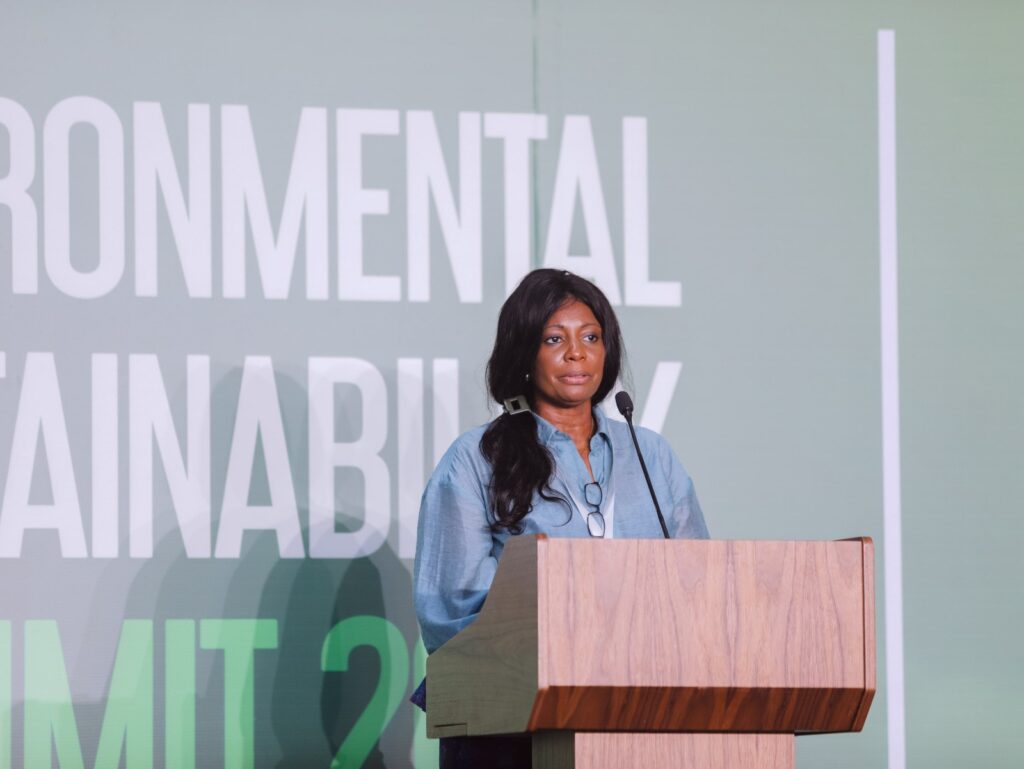
The Group Head of Business Development for the Processing Cluster, Jospong Group, Mrs. Drusilla Villars, reaffirmed the Group’s commitment to the 3P principles of People, Planet, and Profit.
Mrs. Drusilla Villars, Group Head of Business Development of the Processing Cluster of the Jospong Group speaking at the event.
She said the Group’s focus remains on “improving lives of people” while making the planet better through waste collection, processing and landfill management.
She noted that 70-80% of Jospong’s work targets environmental protection, adding that profit-making was balanced with social impact.
“This year’s theme, ‘Inspired by Nature for Climate Change,’ is both timely and compelling. It reminds us that nature provides some of the most effective and sustainable solutions to the climate challenges confronting our world today,” she said.
Mrs. Villars urged participants to move beyond dialogue to embrace innovative actions and partnerships for climate action.
She commended B&FT for organising the summit, noting Jospong’s years of partnership.
“Jospong Group over the years has engaged in activities geared towards achieving the sustainability goals,” she added.
A major theme that emerged during the morning session was the rejection of traditional corporate approaches to sustainability. Discussants criticised the tendency to confine environmental responsibility to Corporate Social Responsibility (CSR) initiatives and public relations campaigns, describing such practices as inadequate in the face of the climate crisis. They urged companies to integrate climate risk assessments, carbon accounting and sustainability reporting into core business strategies and boardroom decision-making, moving well beyond annual press releases to genuine structural change.
The summit’s strongest regulatory message came from the Director of Human Settlement at the Environmental Protection Authority (EPA), Hope Smith Lomotey, who announced an intensified crackdown on environmental offences. Speaking on the growing threat posed by poor waste management and air pollution, he reiterated that the open burning of municipal, electronic and industrial waste remains illegal under Ghana’s laws and warned that authorities were moving beyond public education to firm enforcement.
Mr. Lomotey explained that the EPA’s enforcement framework has been decentralised through environmental health officers stationed within Metropolitan, Municipal and District Assemblies (MMDAs), with specialised environmental courts now empowered to prosecute offenders. He cautioned that individuals and corporate representatives found guilty of open burning could face spot fines of up to GH¢10,000, while repeated or aggravated offences may attract custodial sentences of between three and six months with hard labour. The message was unambiguous: the era of impunity is over.
Drawing on findings from the Clean Air Fund, Mr Lomotey disclosed that eliminating open burning and implementing effective emissions controls in Accra could save Ghana an estimated US$216 million, equivalent to approximately GH¢3.2 billion, by 2040.
These projected savings, he indicated, would result largely from reduced healthcare costs associated with respiratory diseases and lower expenditure on environmental remediation, a financial argument that resonated strongly with corporate and policy audiences alike.
To strengthen enforcement with scientific evidence, Mr. Lomotey highlighted significant investments in technology-driven monitoring systems.
He said the EPA has expanded its real-time air quality surveillance network, deploying sensors across major urban centres to track pollutants including particulate matter (PM2.5 and PM10), nitrogen oxides and carbon monoxide. The system now provides continuous data from key industrial and residential locations across the Greater Accra, Ashanti, Volta and Northern regions, enabling authorities to pinpoint violations and respond with precision.
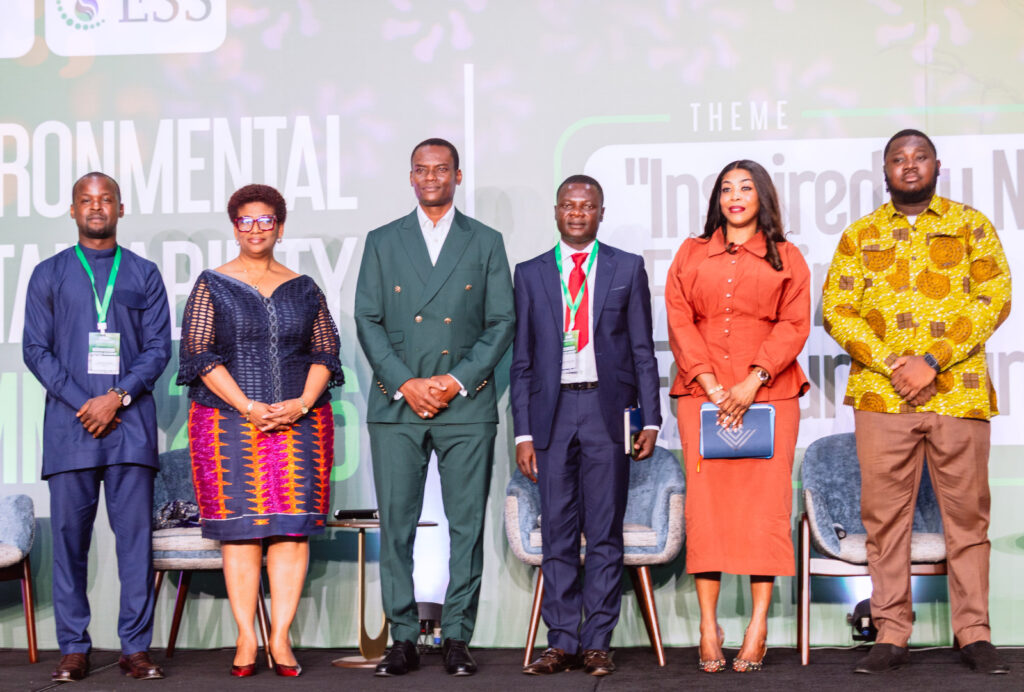
The summit later split into two concurrent plenary sessions aimed at aligning private investment with sustainability objectives. The first session, focusing on Financing Sustainability, examined the barriers preventing Small and Medium Enterprises (SMEs) from accessing climate finance. Panellists, including Dr. Glenn Gyimah, General Manager, Green Transition, Jospong Group, Priscilla Ashiam of Access Bank Ghana, Pearl Entsua-Mensah of the Ghana Climate Innovation Centre and Dr. Michael Addaney, University of Energy and Natural Resources discussed green bonds, sustainable financing models and the importance of meeting international Environmental, Social and Governance (ESG) standards.
They stressed that without affordable capital, SMEs, the backbone of Ghana’s economy, cannot transition to greener operations, and called for tailored financial products that lower entry thresholds for smaller players.
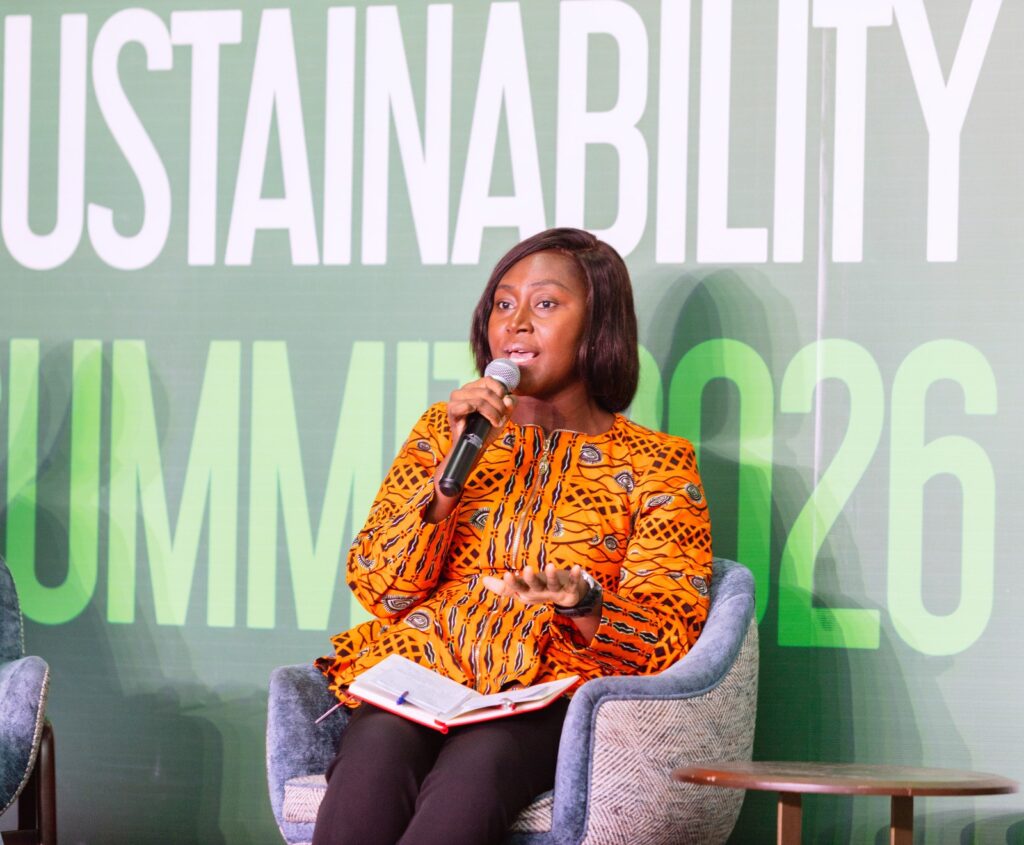
The second plenary explored Green Innovation and Technology as a catalyst for sustainable economic growth. The discussants were Ibrahim Adle Muhammad, Energy, Sustainability & ESG Analyst, Dr. Gloria Boamah Kusi, Senior Sustainability Officer, Jospong Green Transition Office, Frank Adu Anim of the Chamber of ESG & Sustainability Ghana and Prof. Michael Tuffour of the University of Environment and Sustainable Development (UESD). The discussion centred on practical pathways towards a circular economy.
Dr. Gloria Boamah Kusi of Jospong Group’s Green Transitions Office Speaking at the event.
The panelists advocated a transition away from linear consumption patterns, take, make, dispose, towards systems that convert waste into valuable industrial inputs. Real-world examples from waste-to-energy projects and recycling ventures illustrated that sustainability and profitability are not mutually exclusive.
Zoomlion Ghana Limited and its key stakeholders have undertaken a series of intensive clean up, desilting and dredging exercises to improve drainage in flood prone areas of Accra.
The exercises began on Wednesday, June 10, 2026, in collaboration with National Disaster Management Organisation (NADMO), FeDEMS Group Ltd, Dredge Masters Ghana Ltd, the Ghana Police Service, Ghana National Fire Service (GNFS), and Metropolitan, Municipal, and District Assemblies (MMDAs) across Greater Accra.
The Teams undertook extensive cleaning of major drainage channels and waterways in flood-prone areas such as East Legon, Roman Ridge, Mallam, Paloma, Circle, Kaneshie, Kanda and Ghana Broadcasting Corporation area among others.
Flooding in parts of Accra has renewed attention on the impact of poor waste disposal, accumulated silt in drainage channels, and inadequate drainage infrastructure on communities, livelihoods, and public property.
Dredge Masters Ghana Limited on its part deployed specialized dredging equipment at Weija and Menpeasem near UPSA as well as several other identified flood prone areas in the Greater Accra Region. The specialized equipment removed large amounts of both silt and solid waste that have built up within water drains and are obstructing the normal flow of rainwater and significantly increasing the risks of flooding during heavy rains.
Greater Accra Regional NADMO Coordinator Dennis Nartey Adjannor speaking at the event.
The Greater Accra Regional NADMO Coordinator Dennis Nartey Adjannor, paid glowing tribute to Zoomlion Ghana Limited for the great work. He called on all Ghanaians to cultivate good sanitary habits to protect life and property.
The Chief Government Relations & Corporate Affairs Officer of the Jospong Group Ms. Sophia Kudjordji explained that the exercise forms part of a coordinated effort to strengthen flood prevention measures by improving the capacity of drainage systems before subsequent rains. As a collaborative effort to promote flood prevention, stakeholders highlighted a commitment to improve the capacity of drainage systems before the next heavy rain and foster environmental cleanliness through responsible waste disposal.
The Chief Government Relations & Corporate Affairs Officer of Jospong Group, Ms. Sophia Kudjordji speaking at the event.
Authorities have identified damaged drainage infrastructure, indiscriminate waste disposal, and inadequate maintenance of waterways as some of the key factors contributing to flooding in Accra. The clean-up initiative is intended to complement ongoing flood prevention efforts by clearing major drainage channels, improving water flow, and promoting a cleaner, safer, and more sustainable urban environment for residents. She called on citizens to support sanitation operations to refrain from putting garbage into the drains or water bodies. “Those activities end up leading to flooding solutions for residents which put communities in danger.”
Mr. Sena Adiepena of Dredge Masters Ghana Limited said Dredge Masters have extensive experience in the dredging of many of Ghana’s waters, clearing silt and debris to make way for the water to flow whenever there is a rainstorm.
The General Manager for Government Relations and Strategic Partnerships at Zoomlion Ghana Limited, Ms. Emma Adwoa Appiah Osei-Duah gave the assurance that the partners have agreed to extend the cleaning days to cope with the work load.
The President of the Environmental Service Providers Association (ESPA) and Executive Chairman of the Jospong Group of Companies, Dr. Joseph Siaw Agyepong, has called for stronger collaboration among stakeholders in the waste management sector to address the growing sanitation challenges facing the country.
According to him, achieving sustainable waste management solutions requires the collective efforts of government, private sector players, local authorities, and the citizenry.
“Sanitation is a shared responsibility, no single institution can effectively resolve the country’s waste disposal crisis without coordinated action and strategic partnerships.”
Dr. Siaw Agyepong made these remarks at the Waste and Sanitation Dialogue, held at the Kempinski Hotel Gold Coast City, Accra, under the theme, “Alleviating Waste Disposal Crisis in Greater Accra.”
It was organised by the Ministry of Local Government, Chieftaincy and Religious Affairs.
The high-level dialogue brought together Ministers of State, Metropolitan, Municipal and District Chief Executives (MMDCEs), members of the Environmental Service Providers Association, environmental practitioners, waste management experts, industry players, and other key stakeholders to deliberate on practical and sustainable solutions to Ghana’s sanitation challenges.
Addressing participants, Dr. Siaw Agyepong stressed that while significant investments have been made in the sanitation sector over the years, the country continues to grapple with increasing waste generation, indiscriminate dumping, inadequate infrastructure, and poor waste management practices.
He therefore called for deliberate and sustained investment in the waste management sector, describing sanitation as a critical component of public health, environmental protection, and national development.
A cross section of participants at the event.
“The sanitation challenges we face today require a collective response. Sustainable waste management can only be achieved through collaboration among all stakeholders, supported by the right policies, adequate investment, and a strong commitment to implementation,” he stated.
The ESPA President further called for the strict enforcement of sanitation laws and regulations, noting that weak enforcement mechanisms have contributed significantly to poor sanitation practices and environmental degradation.
He urged Metropolitan, Municipal and District Assemblies (MMDAs) to intensify public education and ensure compliance with sanitation by-laws to promote responsible waste disposal practices.
Dr. Siaw Agyepong also advocated increased investments in waste infrastructure, including transfer stations, material recovery facilities, recycling plants, and modern waste treatment technologies. He indicated that strategic investments in the sector would not only improve environmental outcomes but also create employment opportunities and unlock economic value through waste-to-resource initiatives.
The dialogue provided a platform for participants to exchange ideas and propose innovative approaches to tackling the sanitation crisis in Greater Accra. Discussions centred on strengthening public-private partnerships, improving waste collection systems, promoting recycling and waste segregation at source, enhancing community participation, and developing sustainable financing mechanisms for the sector.
Participants acknowledged that the growing urban population and rapid development of Greater Accra have intensified pressure on existing waste management systems, making it imperative for stakeholders to adopt more integrated and collaborative approaches to sanitation management.
The forum concluded with a renewed commitment by stakeholders to work together to address the waste disposal challenges confronting the country and to support the implementation of practical, long-term solutions aimed at building cleaner, healthier, and more sustainable communities.
The Waste and Sanitation Dialogue reaffirmed the importance of partnership, investment, and effective policy implementation in addressing Ghana’s sanitation crisis, with stakeholders agreeing that collective action remains the surest path towards achieving sustainable environmental sanitation and improving the quality of life of citizens.
Stakeholders at a meeting in Accra on Landfill and waste management have called on the government to identify core sources of funding for waste management, as individuals may not be able to pay entirely for the waste generated in private and public spaces.
They said the sanitation and pollution levy, which was levied per litre of fuel, is no longer being used to support the sanitation sector. Lack of funding, they said, could lead to a situation where Ghana can lose all the gains made in the sector over the past two decades within the Greater Accra Metropolitan Area (GAMA).
The call was made during a high-level stakeholder dialogue on landfill and waste management held at the Kempinski Hotel Gold Coast City in Accra on Monday, June 8, 2026, on the theme “Alleviating Waste Disposal Crisis in Greater Accra,” organised by the Ministry of Local Government, Chieftaincy and Religious Affairs.
The meeting brought together government officials, Metropolitan, Municipal and District Chief Executives (MMDCEs), sanitation experts, and private sector operators.
Delivering the keynote address, the Minister for Local Government, Chieftaincy and Religious Affairs, Ahmed Ibrahim, noted that rapid urbanisation and population growth continue to place enormous pressure on existing waste infrastructure. He revealed that Ghana currently generates approximately 4,400 tonnes of solid waste daily, translating into about 1.6 million tonnes annually, with an average collection rate of 80 percent.
The Minister warned that daily waste generation was projected to rise significantly over the next decade, and investing in modern treatment facilities was an urgent national priority.
He emphasised that sustainable financing remained the biggest obstacle facing the sector. Hon. Ibrahim acknowledged that waste management cannot be left solely to market forces, drawing comparisons with countries such as South Korea. He disclosed that discussions are ongoing with the Ministry of Finance to secure dedicated funding to settle outstanding obligations owed to private waste management companies.
The Minister also challenged MMDCEs to take greater responsibility for sanitation outcomes, stressing that even the most sophisticated facilities cannot function effectively without adequate operational funding. He warned that delayed payments could trigger serious environmental and public health consequences
The President of the Environmental Service Providers Association (ESPA) and Executive Chairman of the Jospong Group of Companies, Dr. Joseph Siaw Agyepong, described reliance on landfills as an outdated approach that has repeatedly failed. According to him, all 17 landfills constructed across the country with support from international partners reached capacity within a decade. He stressed that modern systems should prioritize collection, transfer stations, recycling and composting, with landfills as a last resort.
The stakeholders also highlighted concerns over inadequate revenue mobilisation and tariff structures.
The President of ESPA further noted that although international benchmarks recommend household waste collection fees of $15-$20 in lower-middle-income countries, operators in Ghana struggle with low recovery rates.
The President of ESPA, Dr. Joseph Siaw Agyepong, speaking at the event
Despite challenges, participants pointed to Ghana’s growing reputation as a leader in environmental sanitation technology across Africa. The country now boasts of more than 50 waste treatment and composting facilities. Ghanaian firms are currently providing expertise in several African countries, including Kenya and Ethiopia.
Dr. Agyepong attributed this success to sustained investments in local expertise, revealing that sanitation service providers have supported the training of hundreds of highly qualified professionals.
The Vice Dean of the MMDCEs, Dr. Michael Mensah, assured stakeholders that local authorities remain committed to improving sanitation standards.
Research findings presented indicated that poor waste management costs Ghana more than GH¢6.2 billion annually through flood-related destruction, healthcare expenses and environmental degradation.
Participants concluded with a renewed commitment to strengthening collaboration among government, local authorities, and private service providers, emphasizing that policy discussions must translate into sustainable financing mechanisms that can keep Accra and the wider GAMA area clean.
The Minister Hon. Ahmed Ibrahim with a cross section of participants in a photograph after the event.
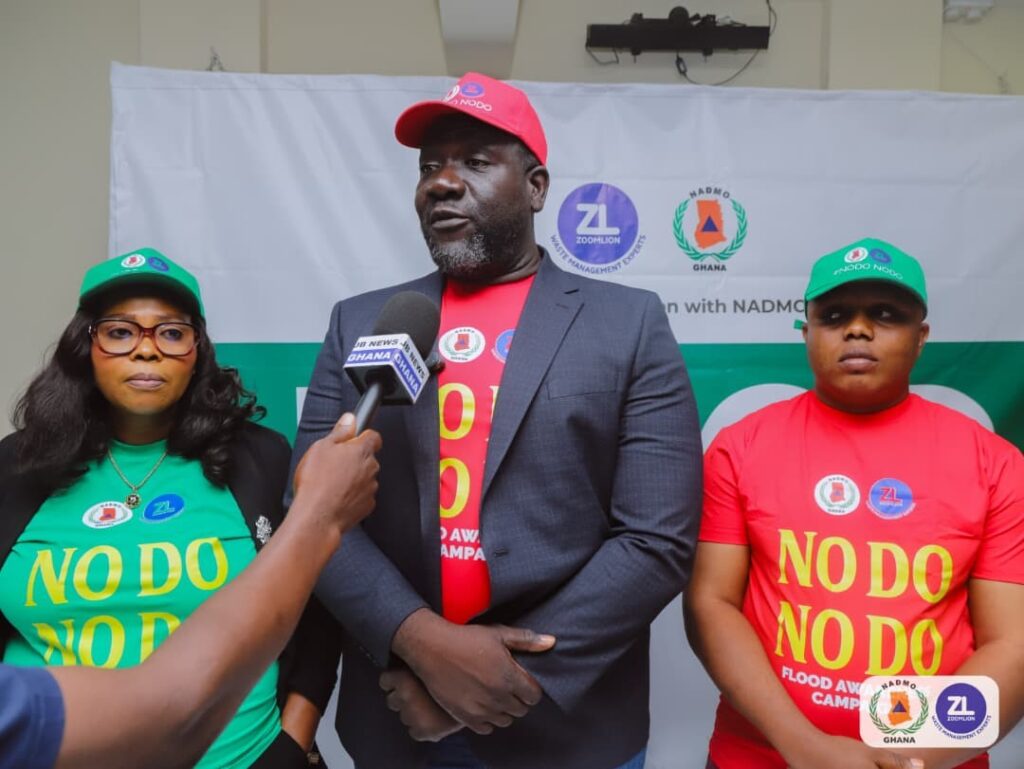
The National Disaster Management Organisation (NADMO) and Zoomlion Ghana Limited have launched a 12-week nationwide flood awareness campaign aimed at promoting responsible waste disposal and reducing the impact of flooding during this rainy season.
The initiative, dubbed “No Do No Do,” seeks to educate the public on the dangers of indiscriminate waste disposal, particularly the practice of dumping refuse into drains and waterways, which authorities say remains a major contributor to flooding across the country.
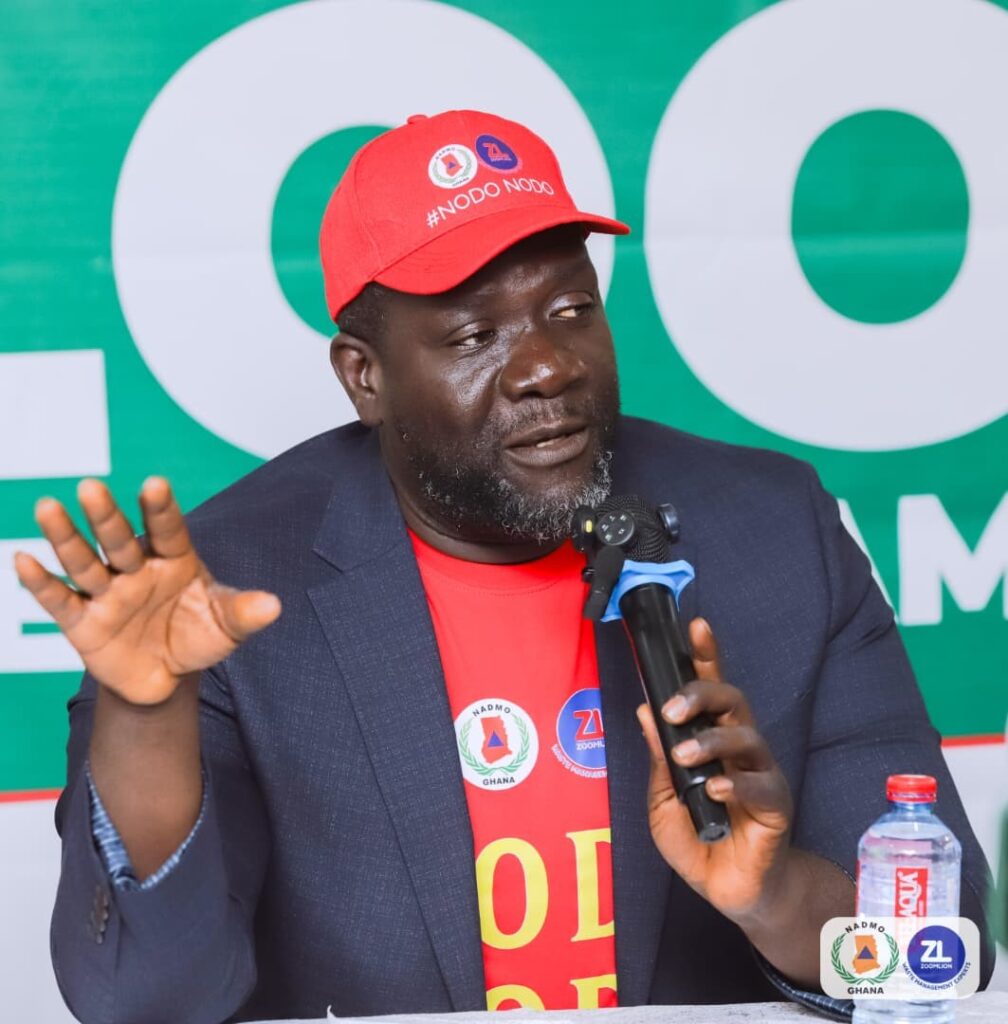
Speaking at the launch in Accra on Tuesday, June 2, the Greater Accra Regional Director of NADMO, Dennis Adjannor Nartey, described blocked waterways and poor drainage systems as persistent challenges that continue to claim lives, destroy property and disrupt livelihoods whenever heavy rains occur.
According to him, flooding should not be viewed as an unavoidable natural disaster but rather as a preventable challenge that requires collective action from government institutions, private sector organisations and local communities.
“Flooding is not a natural disaster. It is a challenge we can solve when government, the private sector, and communities work together,” Mr. Nartey stated, stressing the need for a coordinated national response to the problem.
He explained that the partnership between NADMO and Zoomlion will combine technology, community engagement, and practical interventions to tackle the root causes of flooding.
Key activities under the campaign, he disclosed, will include drain desilting, community sensitisation, public education and the strengthening of early warning systems.
Mr. Nartey used the opportunity to urge Ghanaians, institutions, and community leaders to embrace the “No Do No Do” message and make responsible waste disposal a daily habit.
He maintained that preventing floods required a collective commitment to protecting drains, safeguarding communities, and preserving lives and property.
The General Manager of Governmental Affairs, Strategic Partnerships, Corporate Affairs, Media and Brands department at Zoomlion Ghana Limited, Ms. Emma Adwoa Appiah Osei-Duah, said the campaign carries a simple but powerful message aimed at changing public behaviour and encouraging environmental responsibility.
“The message is clear: Don’t dump. Don’t block. Let water flow,” she said.
She lamented the fact that every rainy season, Ghana suffers avoidable losses because drains and waterways become choked with waste.
Ms. Emma Osei-Duah emphasised that sustainable flood prevention begins with individual actions, adding that residents have a critical role to play in keeping their surroundings clean and ensuring that drainage channels remain free-flowing.
She noted that Zoomlion’s extensive experience in waste management, coupled with NADMO’s mandate in disaster preparedness and response, provides a strong foundation for a successful nationwide campaign capable of driving lasting behavioural change.
The campaign will feature intensive public education programmes, stakeholder engagements, community outreach activities, and clean-up exercises in flood-prone communities across the country. Organisers believe these efforts will help create greater awareness about the connection between poor sanitation and recurring floods.
Apostle Dr. Eric Nyamekye has urged staff and management of Zoomlion Ghana Limited in Kenya to uphold competence, integrity, and faithfulness as the company expands its operations across East Africa.
Addressing workers during a visit to the company’s Nairobi facility on Wednesday, May 13, 2026, Apostle Nyamekye stressed that sustainable corporate and national development depends not only on natural resources but also on disciplined work ethics, effective governance systems, and quality human capital.
According to him, countries that have attained prosperity did so through sound leadership and effective policies, adding that competence and moral integrity must remain central in recruitment and leadership decisions. He encouraged staff to remain committed to the vision of the company and work collectively toward the success of Zoomlion’s operations in Kenya and beyond.
Apostle Nyamekye noted that organisations that combine professionalism with integrity are better positioned for long-term relevance and sustainable growth. The visit formed part of engagements following Zoomlion’s recent entry into Kenya’s waste management sector.
Also present during the visit were Dr Joseph Siaw Agyepong and other management members of the Jospong Group who had participated in the Africa Forward Summit held in Nairobi from May 11 to 12, 2026.
Highlighting the global reach of The Church of Pentecost, Apostle Nyamekye disclosed that the church currently operates in 211 nations and territories worldwide. He said the church’s international growth demonstrates what institutions can achieve when they remain focused on clear principles and mission-driven leadership.
Reflecting on his long-standing relationship with Dr. Siaw Agyepong, dating back to the 1990s, Apostle Nyamekye recounted witnessing the modest beginnings of Zoomlion in Ghana, including the commissioning of one of the company’s early facilities. He expressed appreciation for the company’s transformation from a small sanitation enterprise into a major force in Africa’s environmental management sector.
Referencing Joshua 1:3, he encouraged employees to approach their assignment in Kenya with purpose and determination, saying, “When you set your foot at a place, possess it.”
Providing an operational update, Dr Peter Dagadu said the company has made significant progress within four months of commencing operations in Nairobi. According to him, Zoomlion is collaborating with city authorities to implement an integrated waste management system aimed at improving sanitation and public health outcomes.
He disclosed that Nairobi previously had about 409 illegal dump sites, many of which are currently being cleared as part of the company’s intervention. He explained that Zoomlion has upgraded access roads and reorganised operations to support round-the-clock waste handling and transportation to designated disposal sites.
Dr. Dagadu further revealed that the disposal site, which previously handled about 100 tonnes of waste daily, now processes more than 832 tonnes weekly. He added that the company is targeting the clearance of all identified illegal dump sites within 90 days.
In his remarks, Dr Joseph Siaw Agyepong attributed Zoomlion’s expansion into Kenya and other African countries to strategic leadership and divine guidance. He stated that the company’s recent participation in international summits and engagements with African leaders has created new opportunities for growth across the continent.
He reaffirmed the company’s commitment to delivering sustainable environmental solutions that support cleaner cities and improved public health outcomes throughout Africa.
The visit concluded with prayers and thanksgiving songs as management and staff expressed optimism about Zoomlion’s growth prospects in Kenya and its broader continental expansion agenda.
The Managing Director of Kimpton Trust Ghana Limited has outlined an ambitious roadmap for the company’s future, setting a target to grow its assets under management to GHS1 billion over the medium to long term.
Speaking at the company’s Annual General Meeting (AGM),on March 24, 2026, he indicated that this milestone will be driven by a clear set of strategic priorities, in Accra, including strengthening cybersecurity and scalability, investing in employee development and continuous professional training, advancing product innovation, delivering superior customer service, and upholding strong corporate governance anchored in disciplined risk management and ethical leadership.
He described the AGM as a critical platform for reviewing the company’s progress and refining its strategic direction. Reflecting on KTL’s journey, he noted that about a decade ago, the company’s assets were below GHS1 million as it worked to establish institutional capacity and build market presence. Today, KTL manages over GHS400 million in assets, a growth he attributed to disciplined leadership, consistency, and the trust of stakeholders.
The Managing Director emphasized that the company’s operations are guided by its tagline, “Your Future is Bright,” which underscores its commitment to ensuring financial security and confidence for all members. He added that KTL’s client portfolio has significantly strengthened since 2016, with private pensions demonstrating resilience despite industry challenges.
He referenced key disruptions within the financial sector, including the financial sector clean-up that led to the revocation of 53 licenses, as well as the impact of the Domestic Debt Exchange Programme (DDEP). Despite these challenges, he commended Pension Fund Managers for their sound judgment and acknowledged the role of the regulator in safeguarding pension assets.
Highlighting the broader role of pension funds, the Managing Director noted that, beyond delivering competitive returns, pension schemes have a vital role to play in national development. He pointed to long-term investment opportunities in areas such as real estate, road infrastructure, and green projects, adding that there is increasing recognition among stakeholders of the importance of aligning investments with economic development goals.
He further stressed the importance of professionalism, trust, and service excellence in sustaining growth and maintaining stakeholder confidence.
The Managing Director also expressed appreciation to shareholders for their continued support, as well as to the National Pensions Regulatory Authority for its role in safeguarding pension funds. He acknowledged the contributions of the Board of Directors and Trustees, and key partners, including Nobus Technology, Sentinel Asset Managers, and Zenith Bank.
He added that the company’s recent relocation from East Legon to Spintex reflects its continued growth and its commitment to positioning itself for sustained success in the years ahead.
The newly appointed Board Chairman of Kimpton Trust Mr. Joseph Nii Okine Afful said the Board was extremely happy with the clear and structured direction of the Scheme.“Continuous innovation remains essential, as outdated products and programmes can easily become obsolete, while customers remain central to everything we do because the ultimate goal is to secure a good future for contributors,” he said, adding, “Strong corporate governance and leadership continue to guide operations, ensuring accountability, compliance, and sustainable growth.”
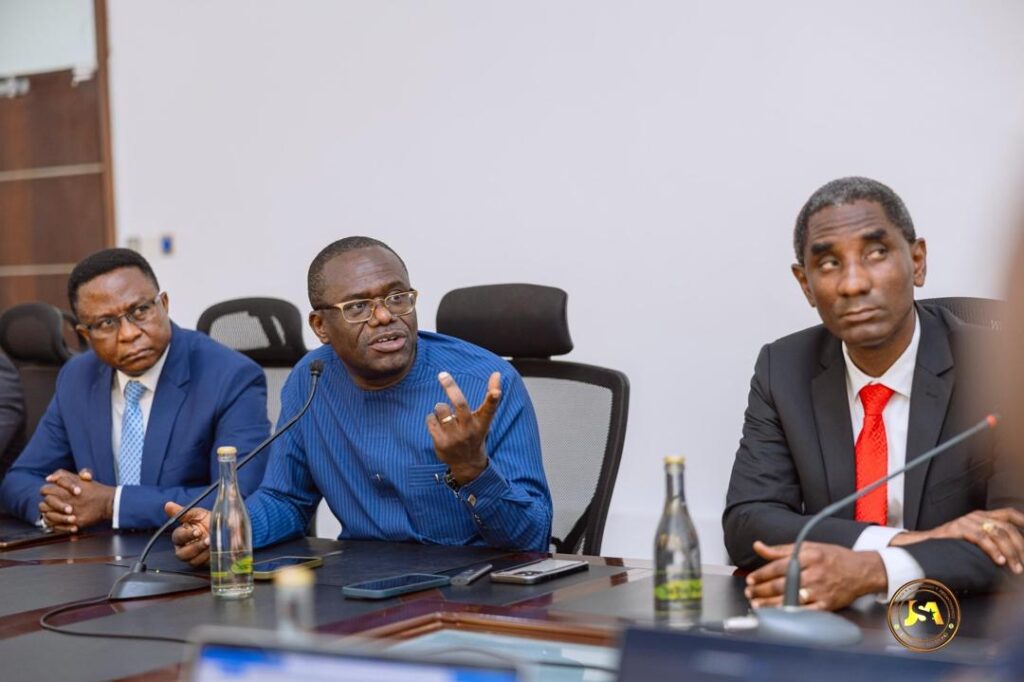
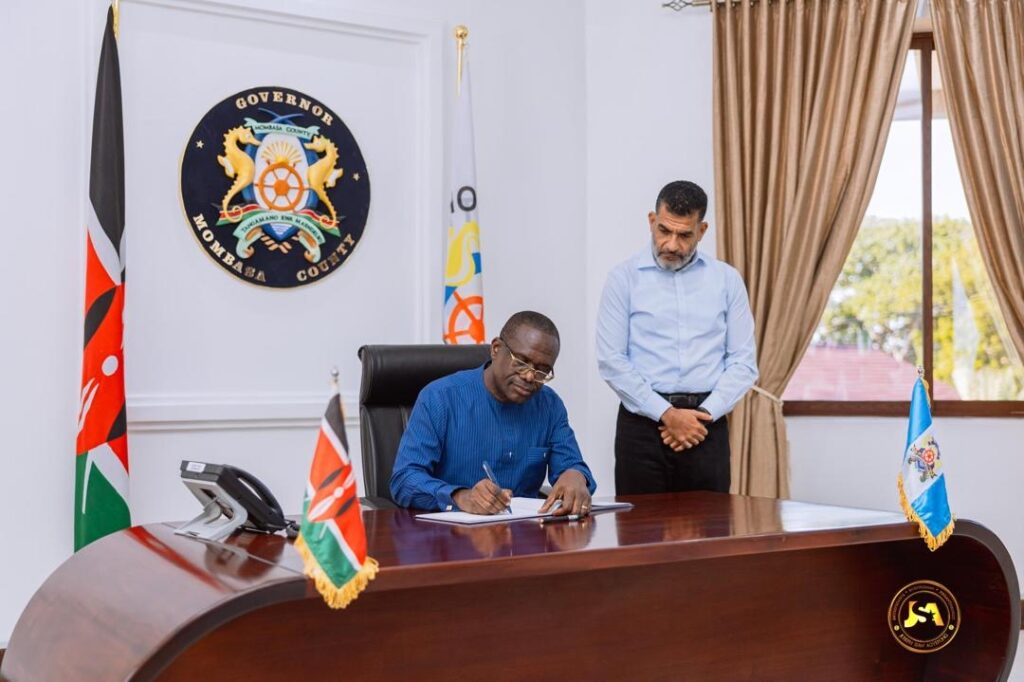
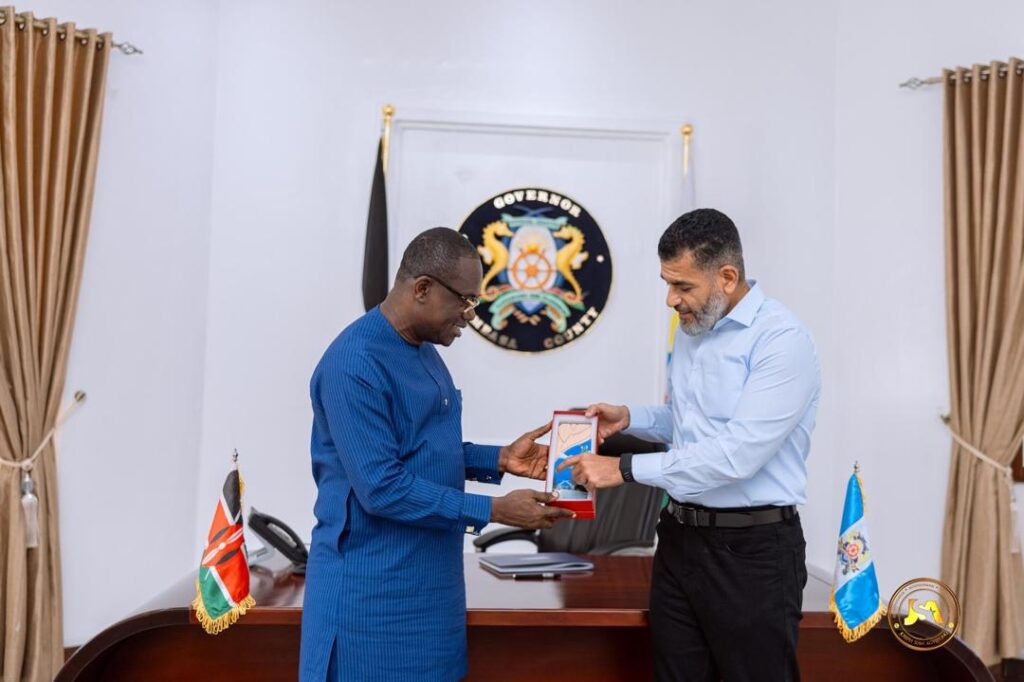
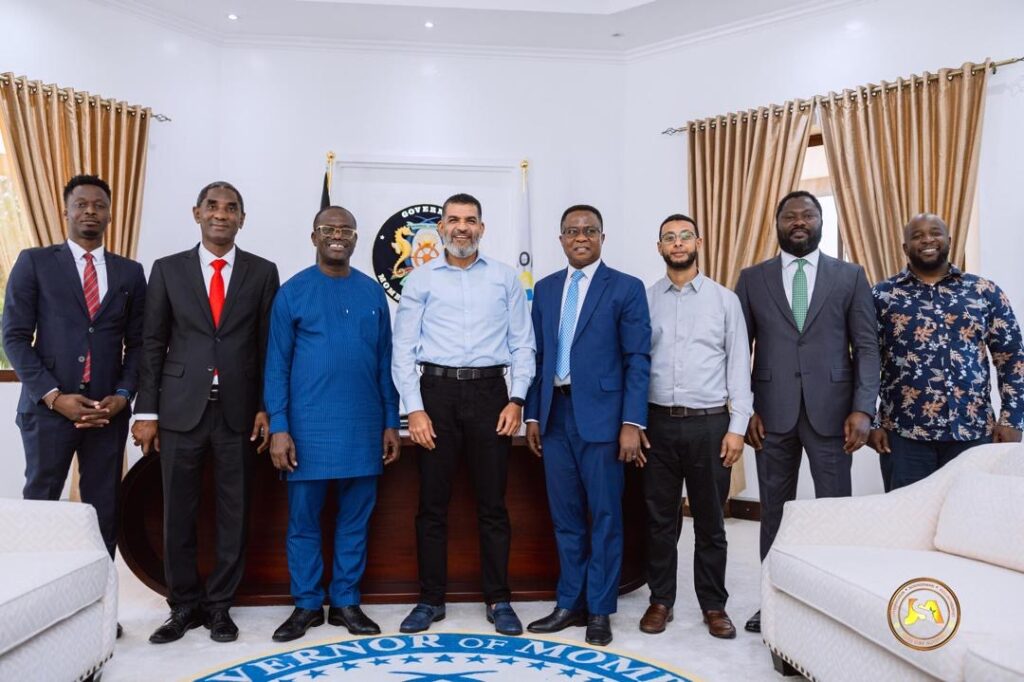
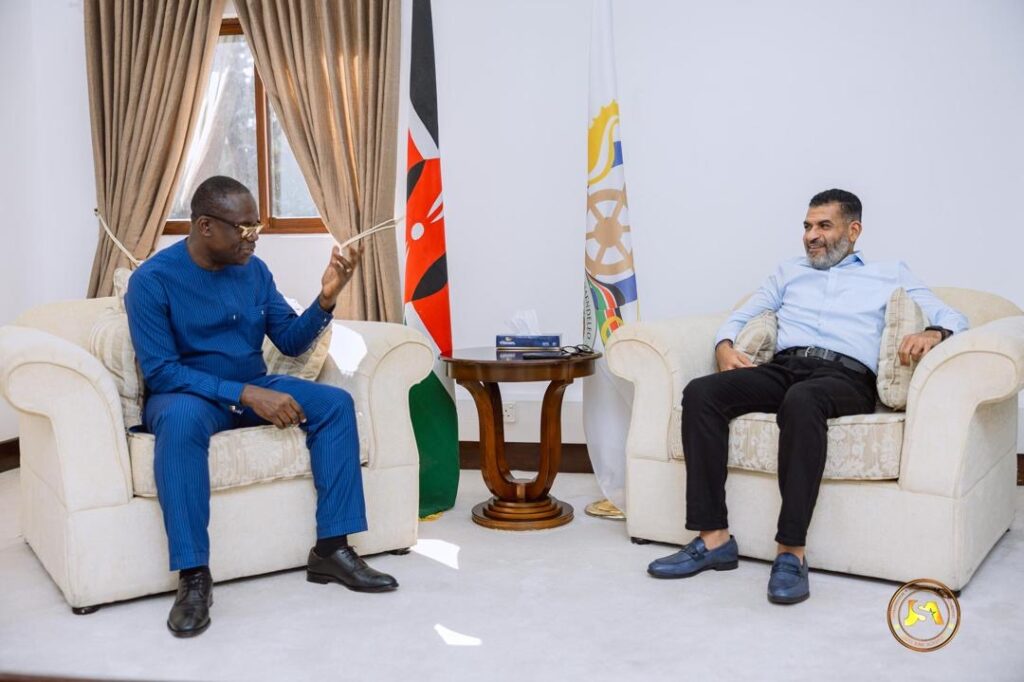
As part of its bold Africa Expansion Project, the Executive Chairman of the Jospong Group of Companies, Dr. Joseph Siaw Agyepong, has paid a working visit to Mombasa, Kenya, where he held strategic discussions with the Governor of Mombasa County, H.E. Abdullswamad Sherrif Nassir.
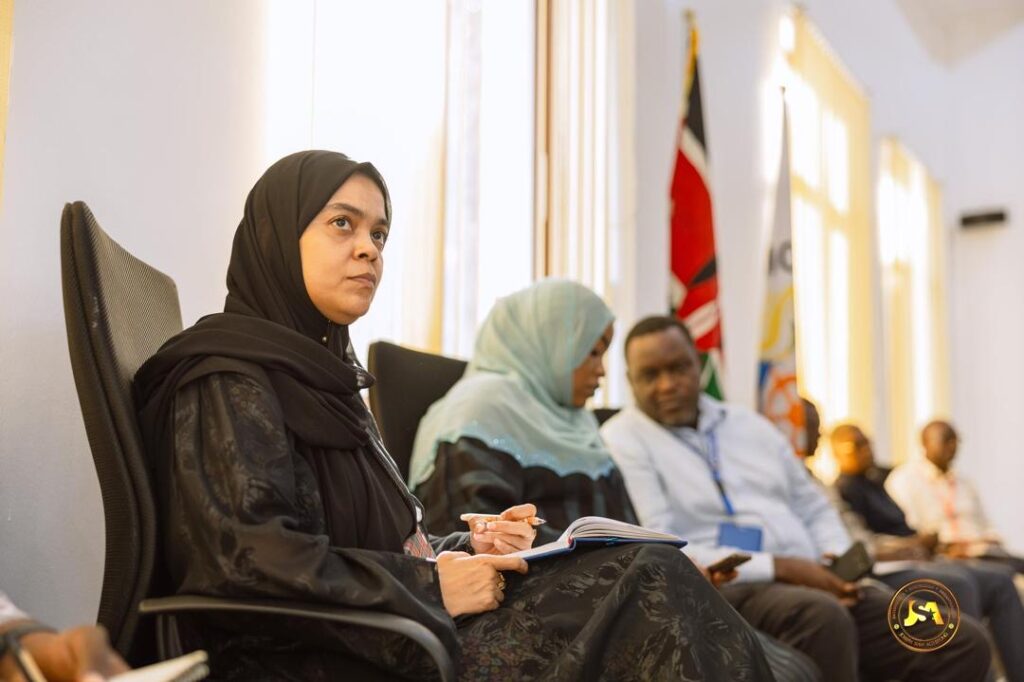
The high-level meeting focused on building a strong partnership to enhance sustainable waste management in Mombasa, using innovative solutions to tackle sanitation challenges while creating economic opportunities for local communities.
“Our mission is to turn Africa’s sanitation challenges into engines of opportunity and growth,” Dr. Agyepong stated. “Africa is ready — and Mombasa is a key partner in this transformative agenda.”
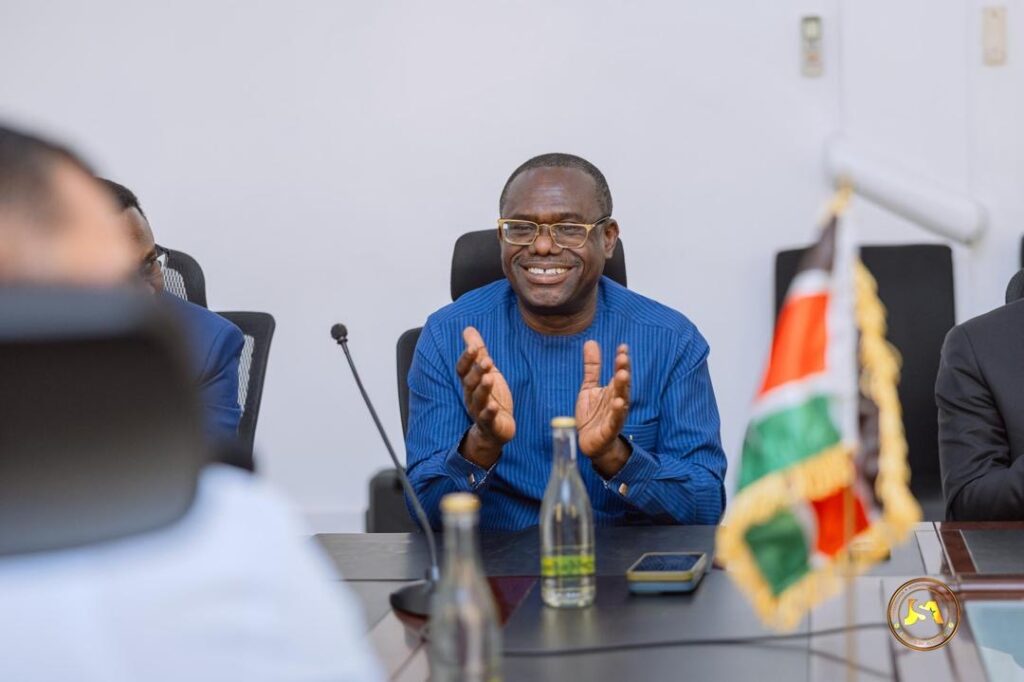
Governor Nassir welcomed the Jospong delegation and expressed strong interest in collaborating with the Group, acknowledging its proven track record across the continent. He emphasized the need for practical solutions that can deliver immediate impact while laying the foundation for long-term environmental resilience.
Jospong Group has already advanced operations in other countries on the continent where it is successfully deploying scalable waste management systems, creating jobs, and promoting a circular economy.
Dr. Agyepong noted, “Our expansion into Kenya is not just about growth — it’s about sharing our experience, building local capacity, and supporting African-led development. Together, we can reimagine the future of waste management on the continent.” With over 60 subsidiaries operating in diverse sectors, Jospong Group continues to champion African excellence through innovative, sustainable, and inclusive business models.
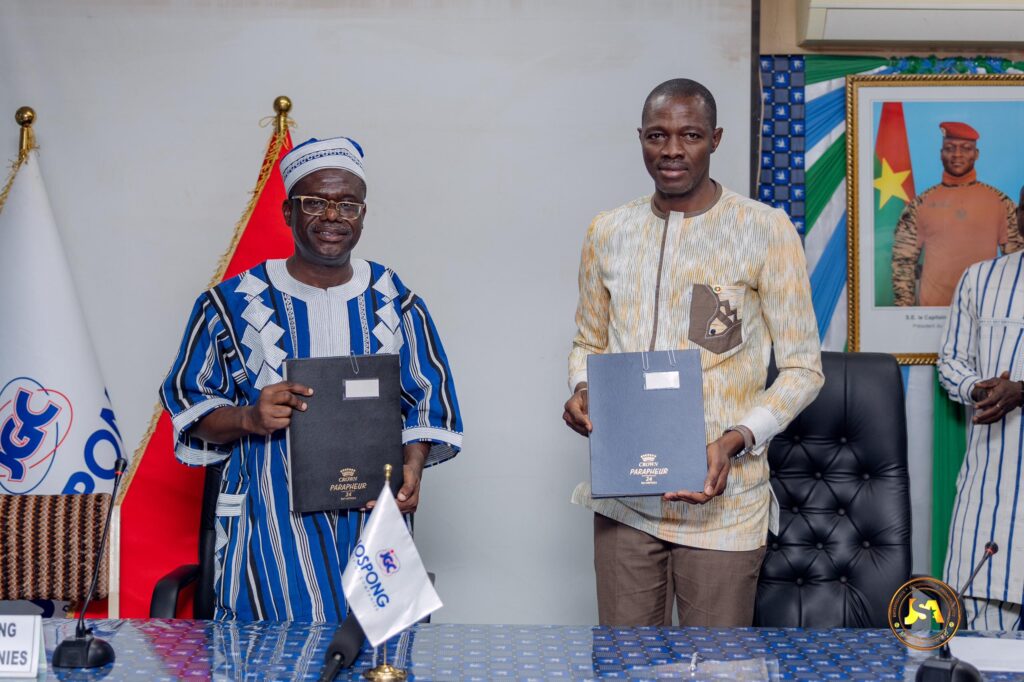
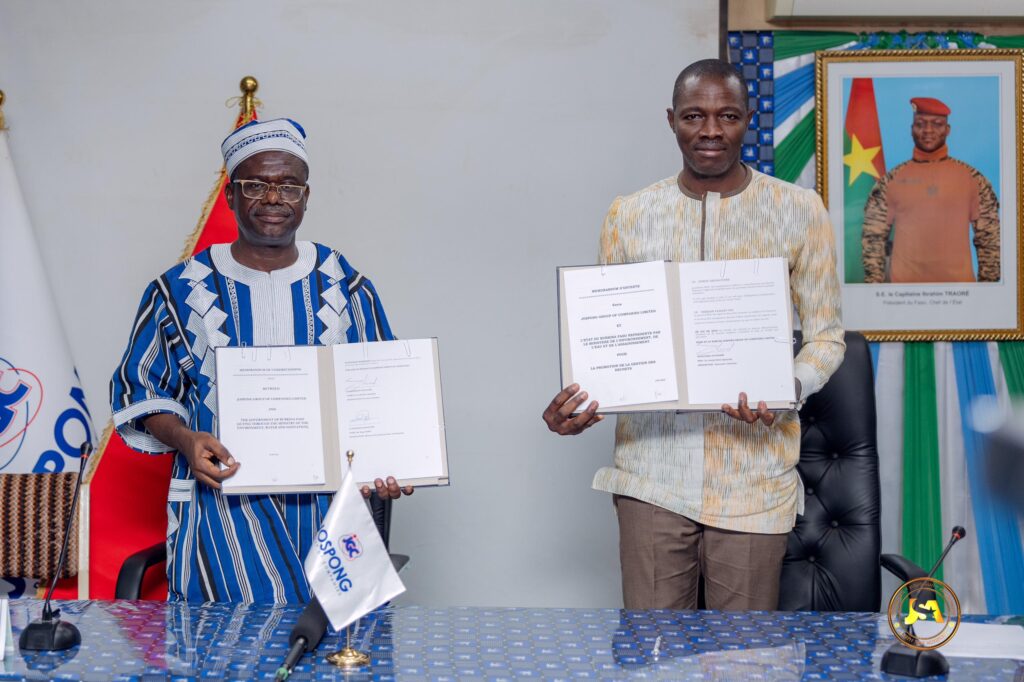
Dr. Joseph Siaw Agyepong, Executive Chairman and Founder of the Jospong Group of Companies has led a high level delegation to meet with the Prime Minister of Burkina Faso, Rimtalba Jean Emmanuel Ouédraogo, to introduce the company and its readiness to bring its expertise in providing sustainable waste management solutions to the sector in Burkina Faso.
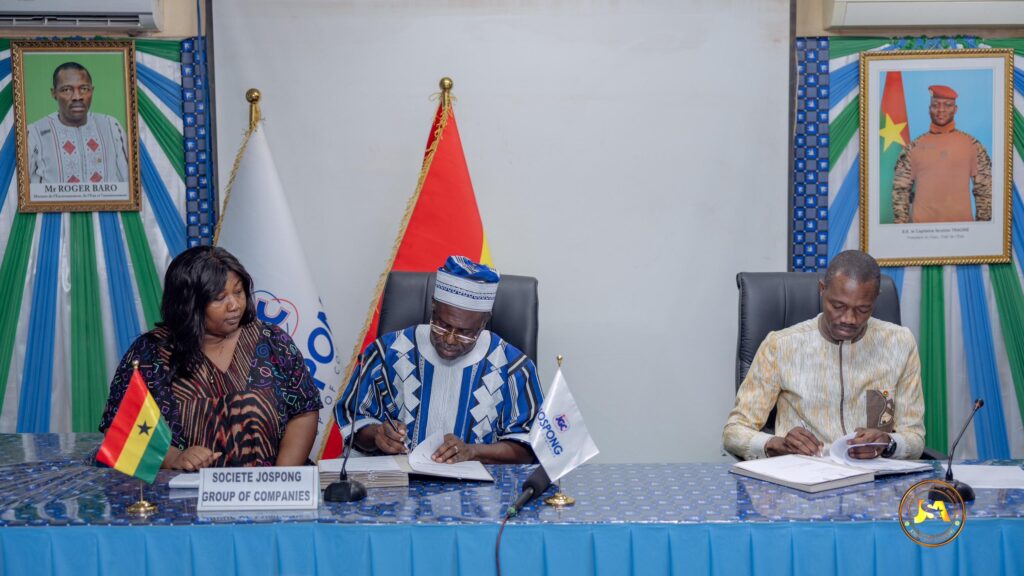
The visit was in the company of His Excellency, Major Colonel David Kabré, Ambassador of Burkina Faso to Ghana and Hon. Roger Baro, Burkinabe Minister in Charge of the Environment, Water and Sanitation.
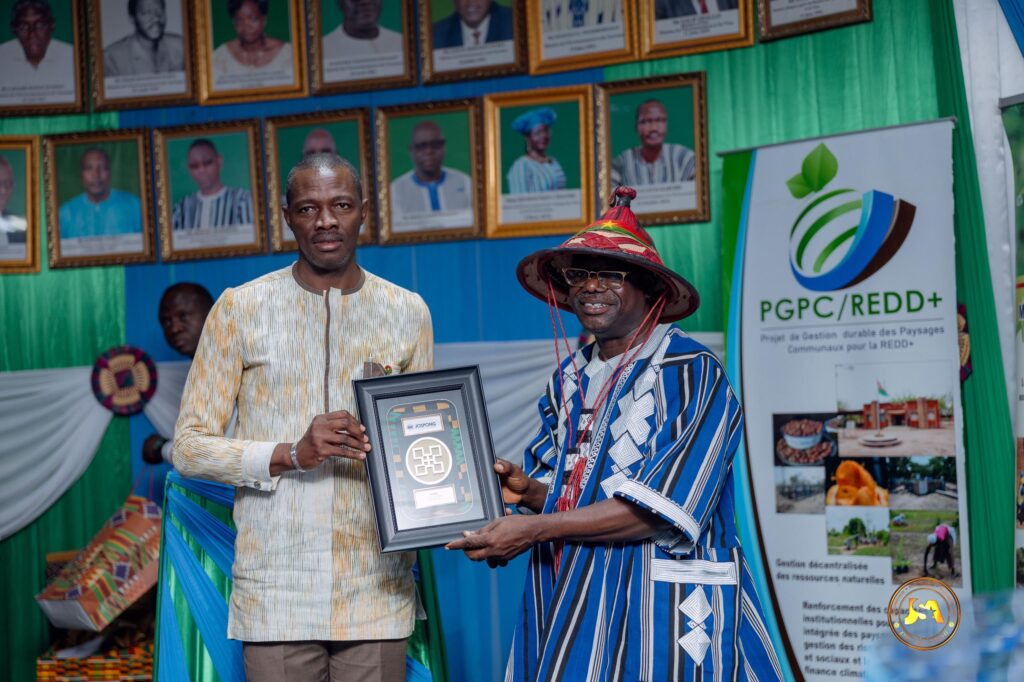
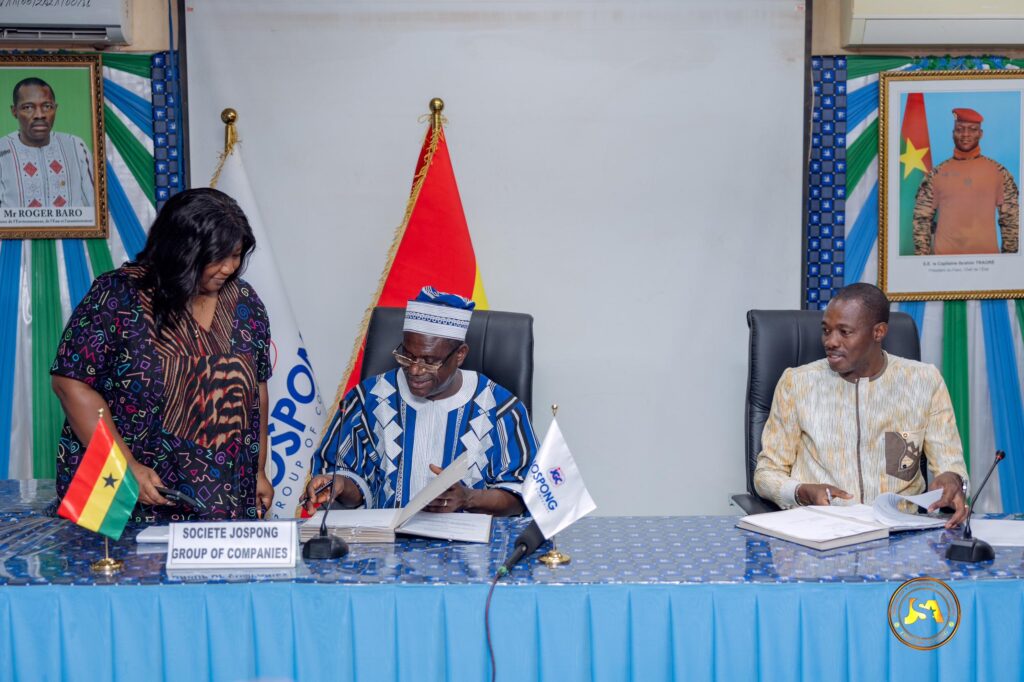
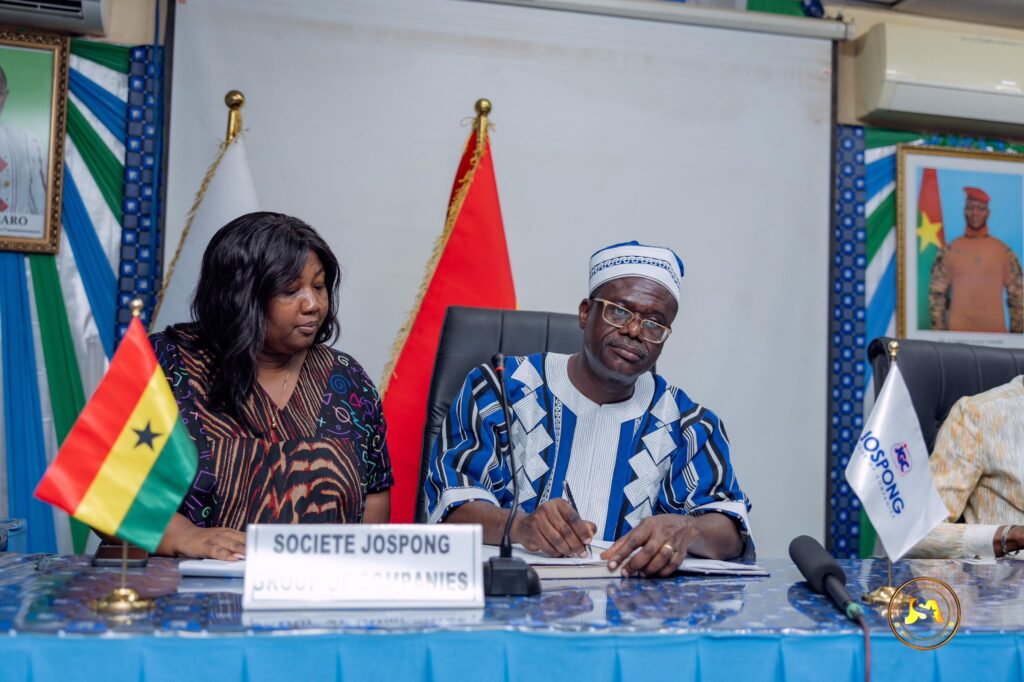
The meeting was followed with the signing of a Memorandum of Understanding (MOU) between the Ministry of Environment, Water and Sanitation with the Ghana-based Jospong Group in Ouagadougou, marking a significant step toward the realization of the building a waste treatment plant in Burkina Faso.
The project is also a result of discussions between Burkinabe and Ghanaian authorities, during the official visit of the President of Ghana His Excellency John Dramani Mahama to Burkina Faso on March 10, and forms part of a south-south cooperation initiative focused on sustainable development and job creation across the region.
Pldeging the support of the Burkinabe’s government’s support for the Jospong Group for the execution of the project, the Prime Minister acknowledged the work being done by the Group in Ghana and other parts of Africa, adding that “We believe in promoting the expertise of Africans and hope you will share this expertise with the young people of Burkina Faso”. He was hopeful that the initiative will help in youth employment and combating diseases. He reaffirmed the Government’s commitment to accompany and support investors who contribute to the development of the country.
Dr. Joseph Siaw Agyepong in his response congratulated the President of Burkina Faso, His Excellency Captain Ibrahim Traoré, and his team for accelerated development of the country and his Pan Africanist posture. He expressed confidence in the vision job creation and developing a prosperous Burkina Faso.
With over twenty years of experience in the waste management sector in Ghana and presence in 24 African countries, the Jospong Group aims to leverage on its proven technologies and models in Ghana to address Burkina Faso’s environmental challenges.
He assure the government of Burkina Faso that Group plans to train Burkinabe youth Ghana to manage the facility and its associated services locally. “We are not going to import Ghanaian workers for Burkina Faso,” “We will train young Burkinabe people who will take charge of waste management in their country,” Dr. Agyepong said.
This agreement paves the way for sustainable solid and liquid waste management solutions across major cities in Burkina Faso. This follows a successful study tour to Ghana in April, by technical team from Burkina Faso led by the Minister of Environment Water and Sanitation to witness Jospong’s advanced waste infrastructure and commitment to innovation.
The signing of the MOU sets the foundation for knowledge sharing, technology transfer, and the construction of state-of-the-art waste processing infrastructure for the Burkina Faso.
Minister Roger Baro commended H.E. David Kabre, Burkina Faso’s Ambassador to Ghana, for his instrumental role in advancing the collaboration, and urged Jospong to remain pragmatic and people-focused in execution to build a cleaner, healthier, and more resilient communities.