Category: Sanitation

  • Apostle Nyamekye calls for sound work ethics in Zoomlion Kenya

    Apostle Dr. Eric Nyamekye has urged staff and management of Zoomlion Ghana Limited in Kenya to uphold competence, integrity, and faithfulness as the company expands its operations across East Africa.

    Addressing workers during a visit to the company’s Nairobi facility on Wednesday, May 13, 2026, Apostle Nyamekye stressed that sustainable corporate and national development depends not only on natural resources but also on disciplined work ethics, effective governance systems, and quality human capital.

    According to him, countries that have attained prosperity did so through sound leadership and effective policies, adding that competence and moral integrity must remain central in recruitment and leadership decisions. He encouraged staff to remain committed to the vision of the company and work collectively toward the success of Zoomlion’s operations in Kenya and beyond.

    Apostle Nyamekye noted that organisations that combine professionalism with integrity are better positioned for long-term relevance and sustainable growth. The visit formed part of engagements following Zoomlion’s recent entry into Kenya’s waste management sector.

    Also present during the visit were Dr Joseph Siaw Agyepong and other management members of the Jospong Group who had participated in the Africa Forward Summit held in Nairobi from May 11 to 12, 2026.

    Highlighting the global reach of The Church of Pentecost, Apostle Nyamekye disclosed that the church currently operates in 211 nations and territories worldwide. He said the church’s international growth demonstrates what institutions can achieve when they remain focused on clear principles and mission-driven leadership.

    Reflecting on his long-standing relationship with Dr. Siaw Agyepong, dating back to the 1990s, Apostle Nyamekye recounted witnessing the modest beginnings of Zoomlion in Ghana, including the commissioning of one of the company’s early facilities. He expressed appreciation for the company’s transformation from a small sanitation enterprise into a major force in Africa’s environmental management sector.

    Referencing Joshua 1:3, he encouraged employees to approach their assignment in Kenya with purpose and determination, saying, “When you set your foot at a place, possess it.”

    Providing an operational update, Dr Peter Dagadu said the company has made significant progress within four months of commencing operations in Nairobi. According to him, Zoomlion is collaborating with city authorities to implement an integrated waste management system aimed at improving sanitation and public health outcomes.

    He disclosed that Nairobi previously had about 409 illegal dump sites, many of which are currently being cleared as part of the company’s intervention. He explained that Zoomlion has upgraded access roads and reorganised operations to support round-the-clock waste handling and transportation to designated disposal sites.

    Dr. Dagadu further revealed that the disposal site, which previously handled about 100 tonnes of waste daily, now processes more than 832 tonnes weekly. He added that the company is targeting the clearance of all identified illegal dump sites within 90 days.

    In his remarks, Dr Joseph Siaw Agyepong attributed Zoomlion’s expansion into Kenya and other African countries to strategic leadership and divine guidance. He stated that the company’s recent participation in international summits and engagements with African leaders has created new opportunities for growth across the continent.

    He reaffirmed the company’s commitment to delivering sustainable environmental solutions that support cleaner cities and improved public health outcomes throughout Africa.

    The visit concluded with prayers and thanksgiving songs as management and staff expressed optimism about Zoomlion’s growth prospects in Kenya and its broader continental expansion agenda.
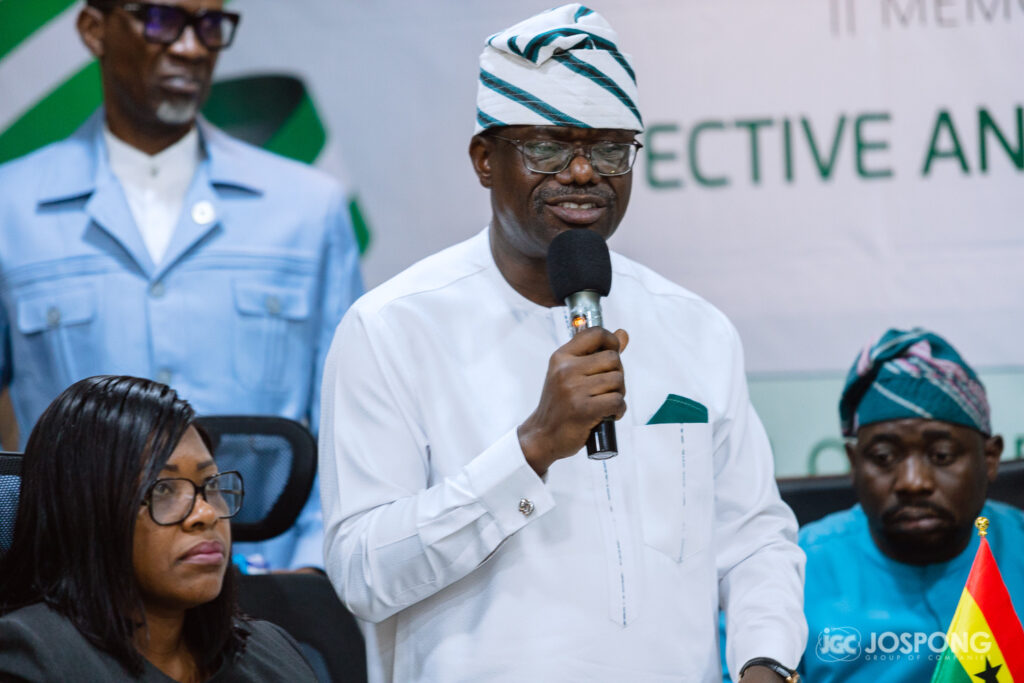
  • Jospong Group Partners Lagos State on Waste Management 

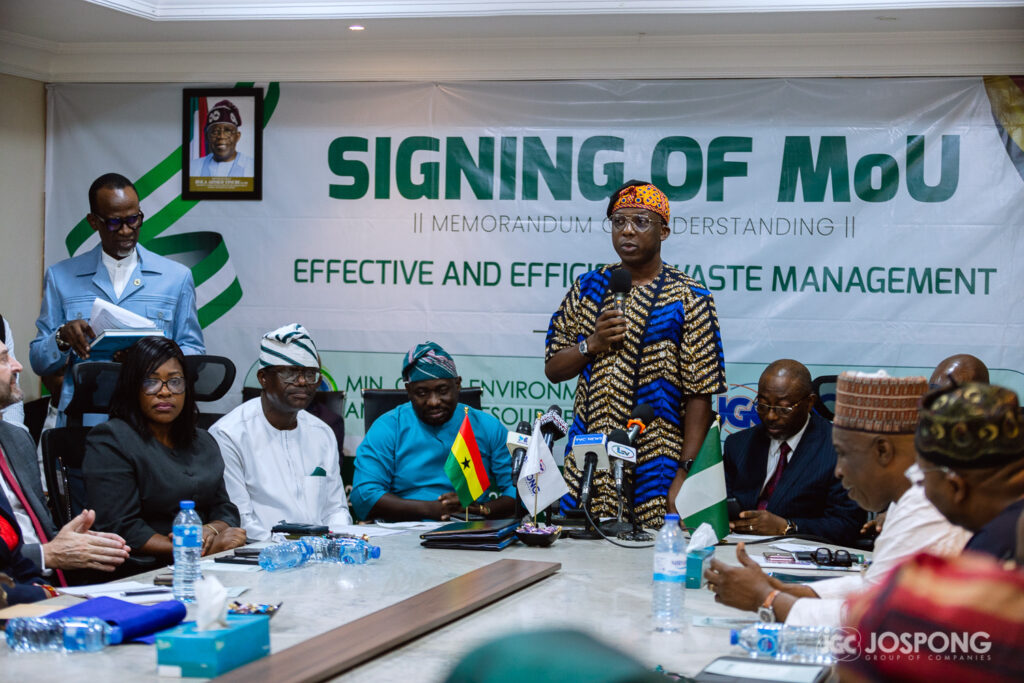
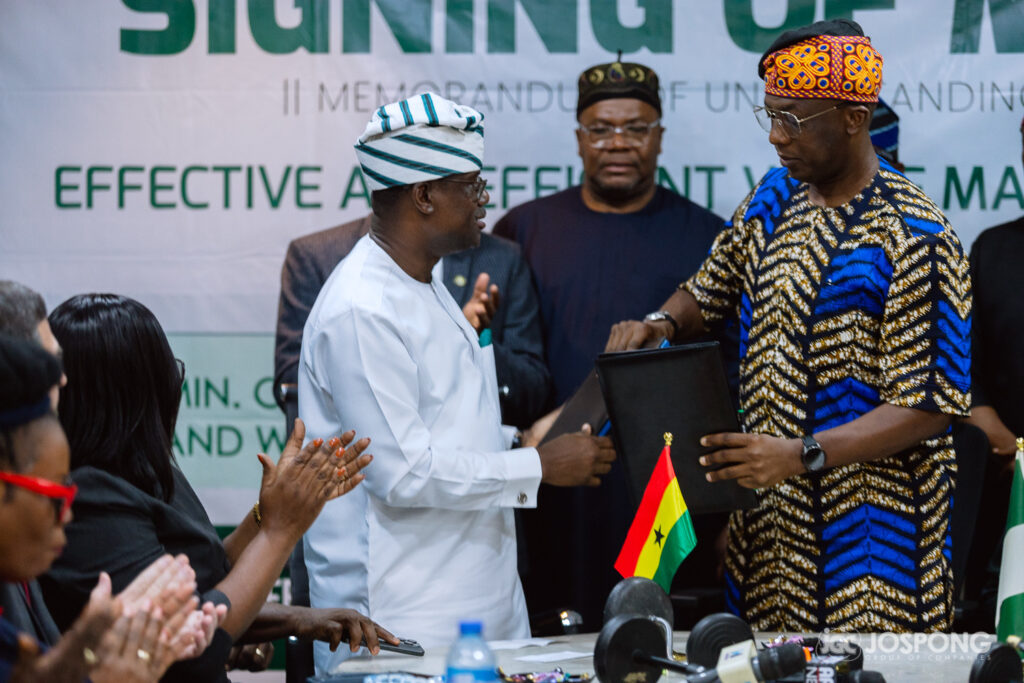
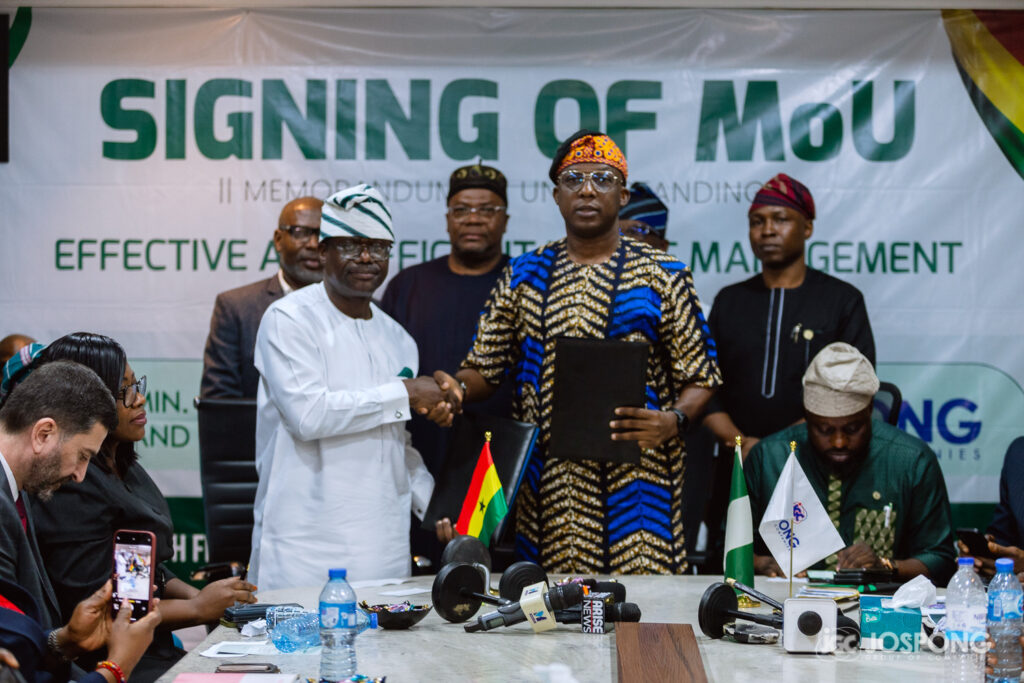
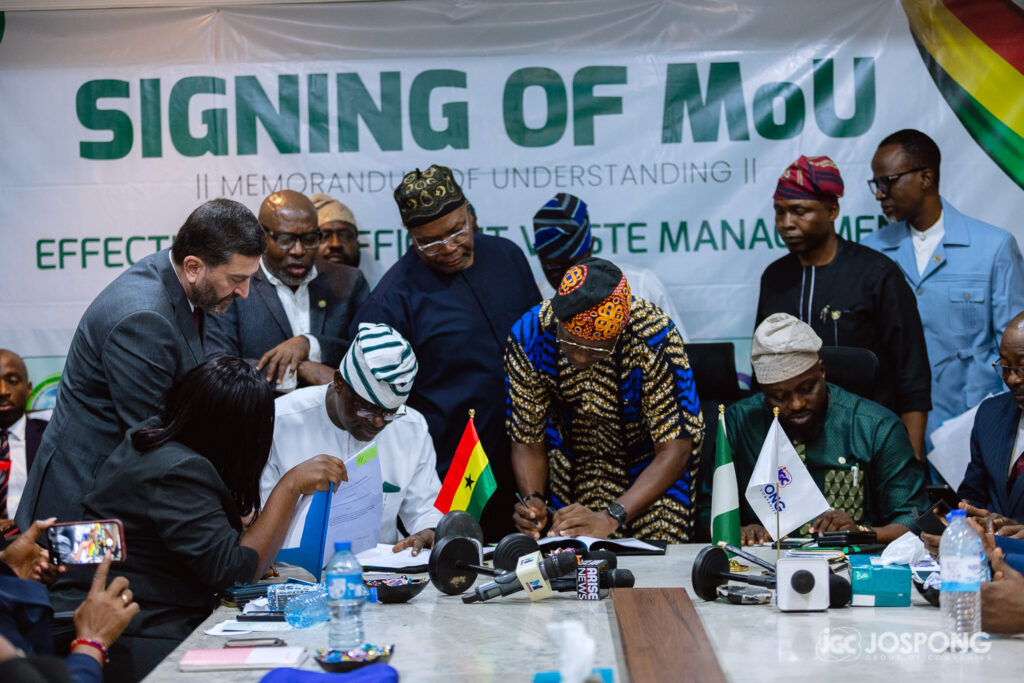
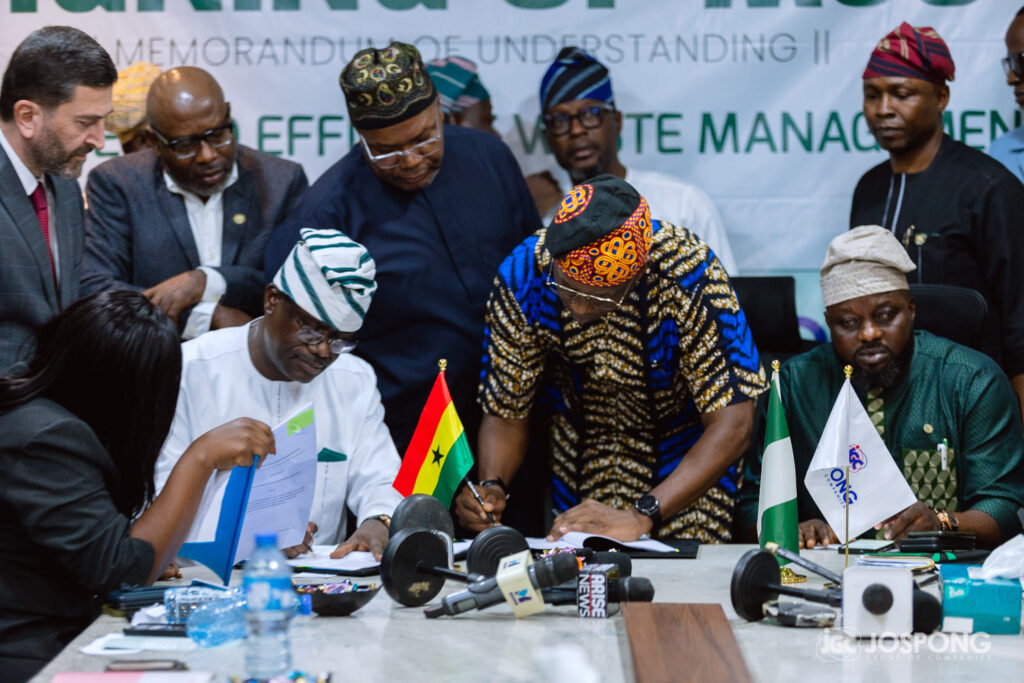
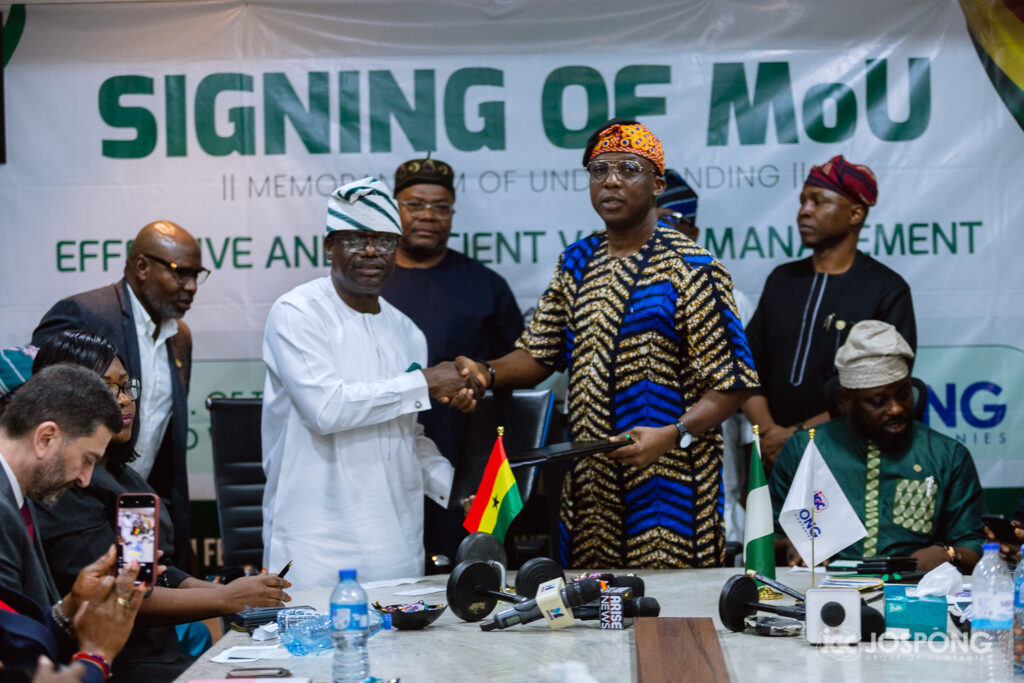
    The Jospong Group of Companies (JGC) has entered into an agreement with the Lagos State Government, facilitated by the Ministry of the Environment and Water Resources, to construct waste treatment facilities in Lagos, Nigeria.

    This ground breaking initiative aims to revolutionize the environmental landscape of Africa’s most populous city, addressing pressing waste management challenges and fostering sustainability.

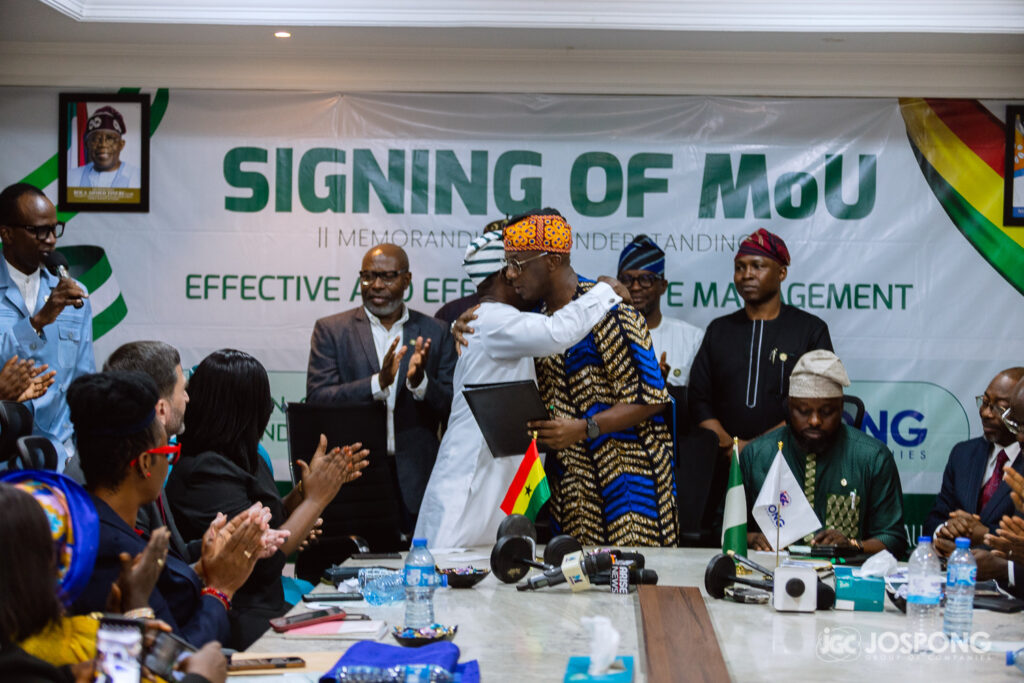
    The formalization of this landmark agreement took place through the signing of a Memorandum of Understanding between the Jospong Group of Companies, represented by its Executive Chairman, Dr. Joseph Siaw Agyepong, and the Honourable Commissioner of the Lagos State Ministry of Environment and Water Resources, Hon. Tokunbo Wahab, in Lagos on Monday, February 26, 2024.

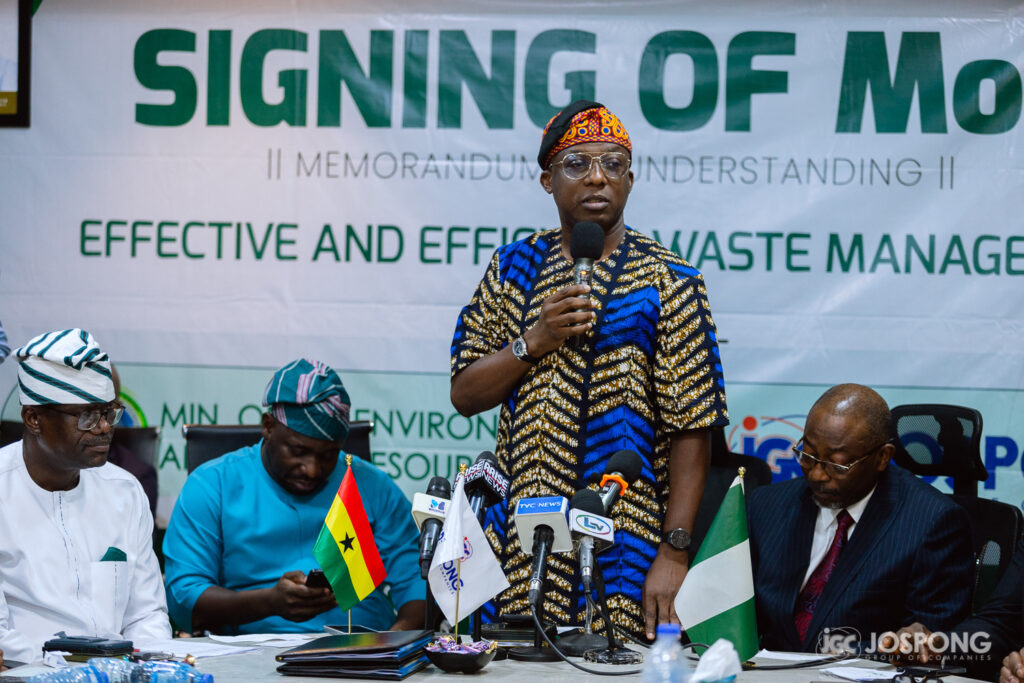
    Dr. Joseph Siaw Agyepong underscored the company’s commitment to supporting Lagos State and sharing expertise in waste management and treatment. He emphasized the importance of leveraging lessons learned from Ghana to enhance the sanitation landscape of Lagos State.

    Furthermore, Dr. Agyepong assured upstream operators in Lagos of collaboration and support, including equipment provision, to enhance the effectiveness and efficiency of their operations.

    Hon. Tokunbo Wahab, the Lagos State Commissioner of the Ministry of Environment and Water Resources, highlighted the state’s dedication to addressing waste management challenges through a Public Private Partnership (PPP) framework. He emphasized the importance of converting waste into valuable resources and fostering a conducive environment for private sector participation to achieve a cleaner, greener, and more prosperous Lagos.

    The Consul General of the Ghana Consulate in Lagos, HE Hajia Samata Gifty Bukari, expressed support for the partnership between Jospong Group and the Lagos State Environment and Water Resources, underscoring her commitment to ensuring its success.

    Per the MoU, Jospong Group will implement various initiatives, including establishing Material Recovery Facilities, Mobile Transfer loading stations, and recycling plants, to streamline recyclable activities and contribute to environmental sustainability.

    This collaboration does not only address immediate waste management challenges in Lagos but also contributes to Nigeria’s carbon ratings, enabling the country to access funding for sustainable infrastructure development.

    The delegation from Jospong Group included key executives and board members, demonstrating the company’s dedication to fostering impactful partnerships and driving positive change. Similarly, the Nigerian delegation, led by the Honourable Commissioner for the Ministry of Environment and Water Resources, comprised high-ranking officials and industry stakeholders committed to advancing environmental sustainability efforts in Lagos.

  • The First Ghana medical waste treatment plant commissioned in Kumasi

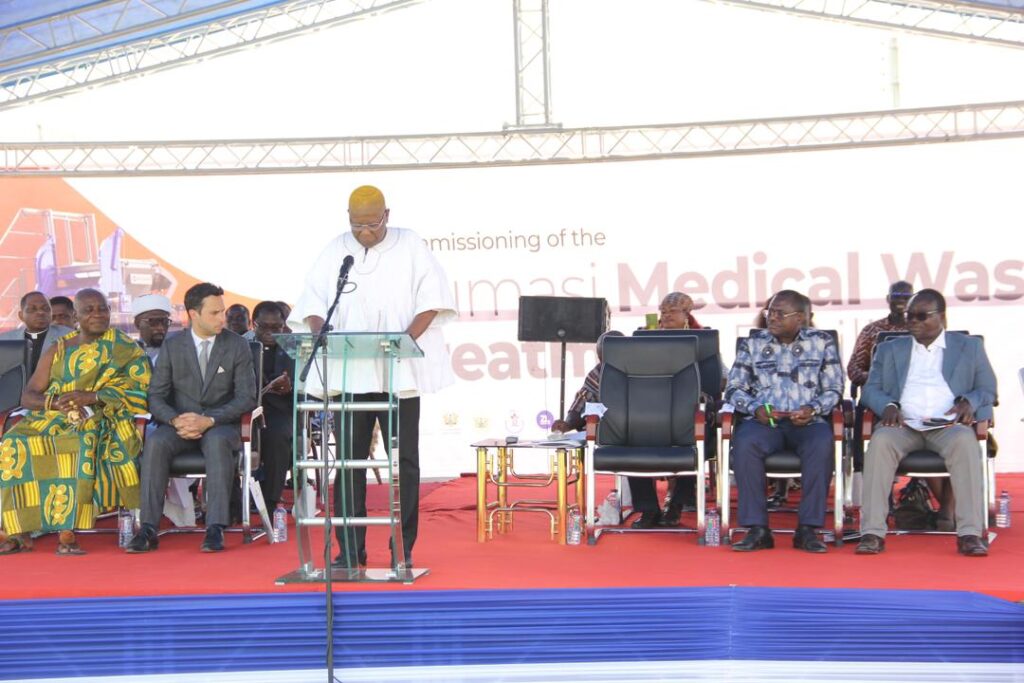
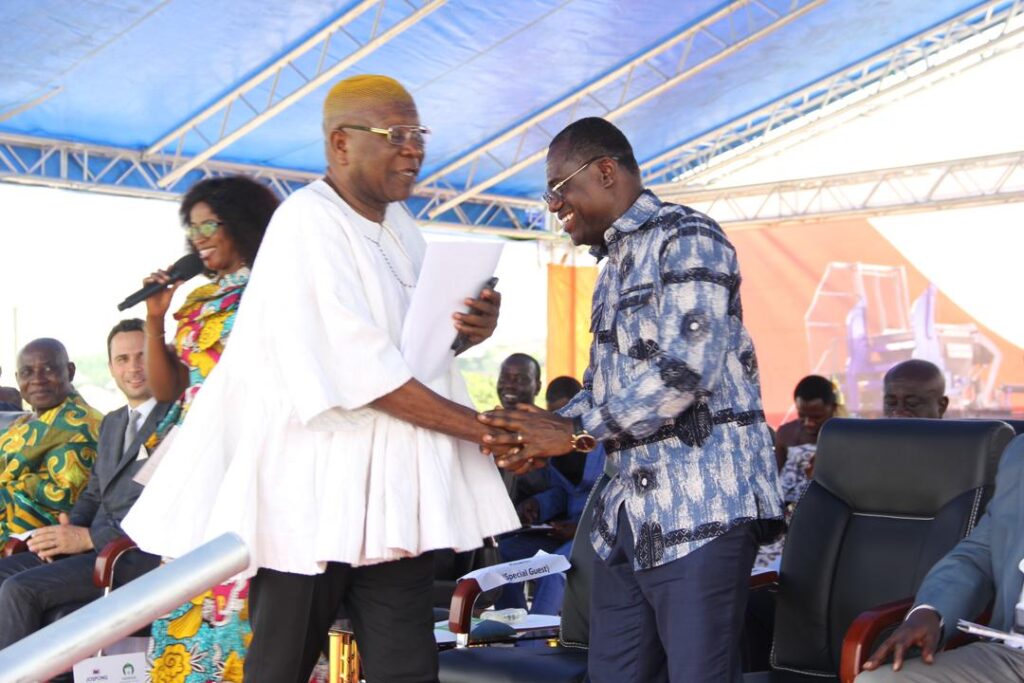
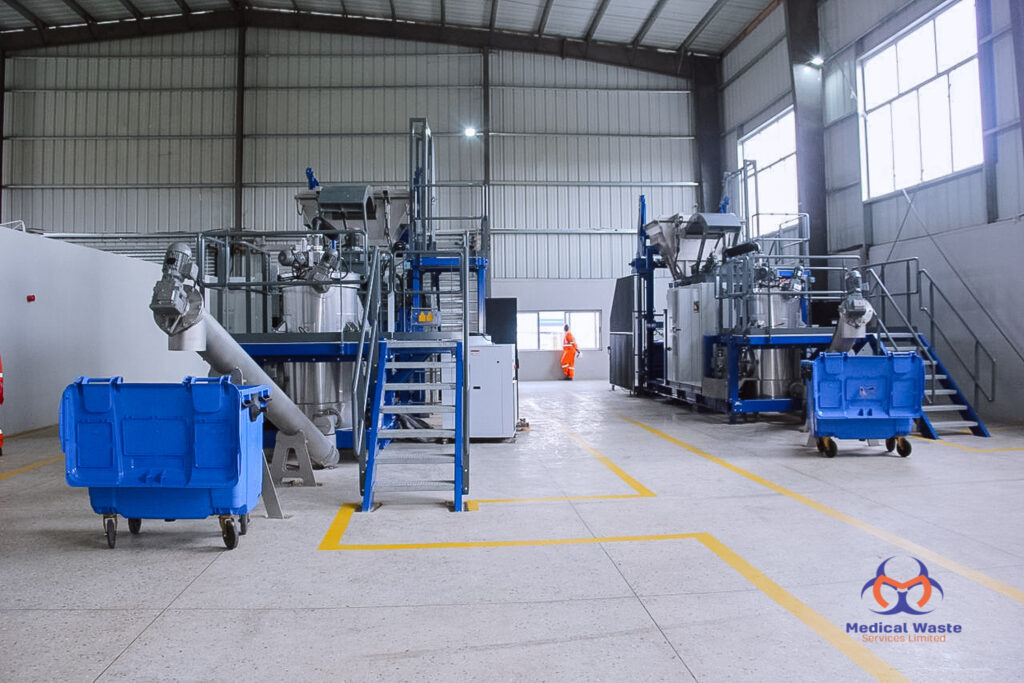
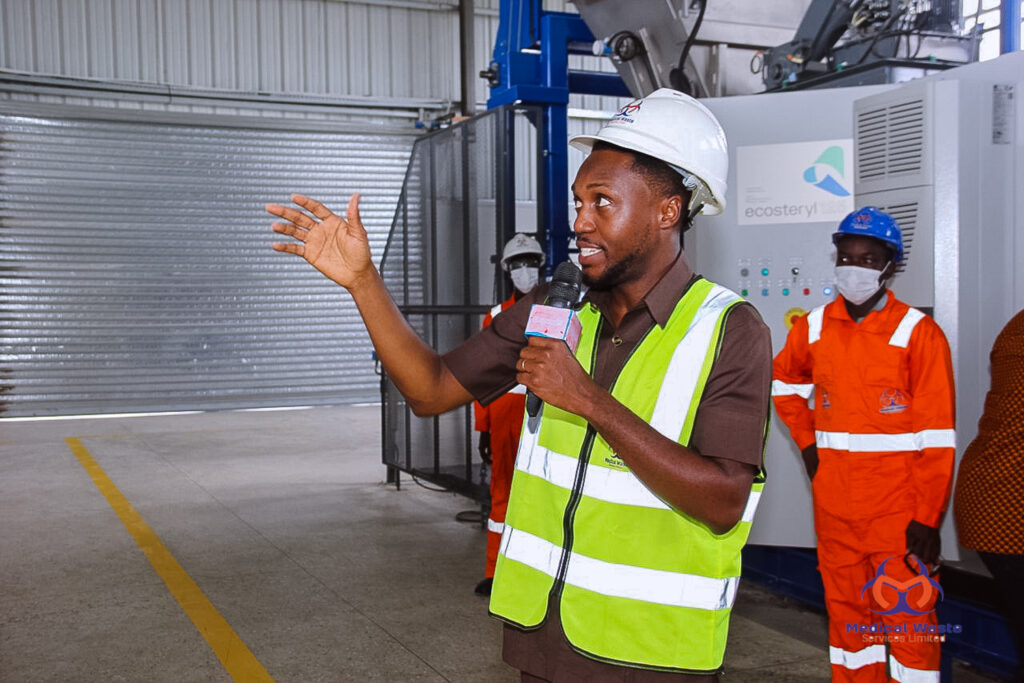
    In pursuit of its mission to enhance the proper disposal of waste, the E&S group, operating under the renowned Jospong Group of Companies in Africa, has completed the construction and inauguration of an ultra-modern medical waste treatment plant in Adegya, Ashanti region. This milestone marks the first-ever facility of its kind in the area.

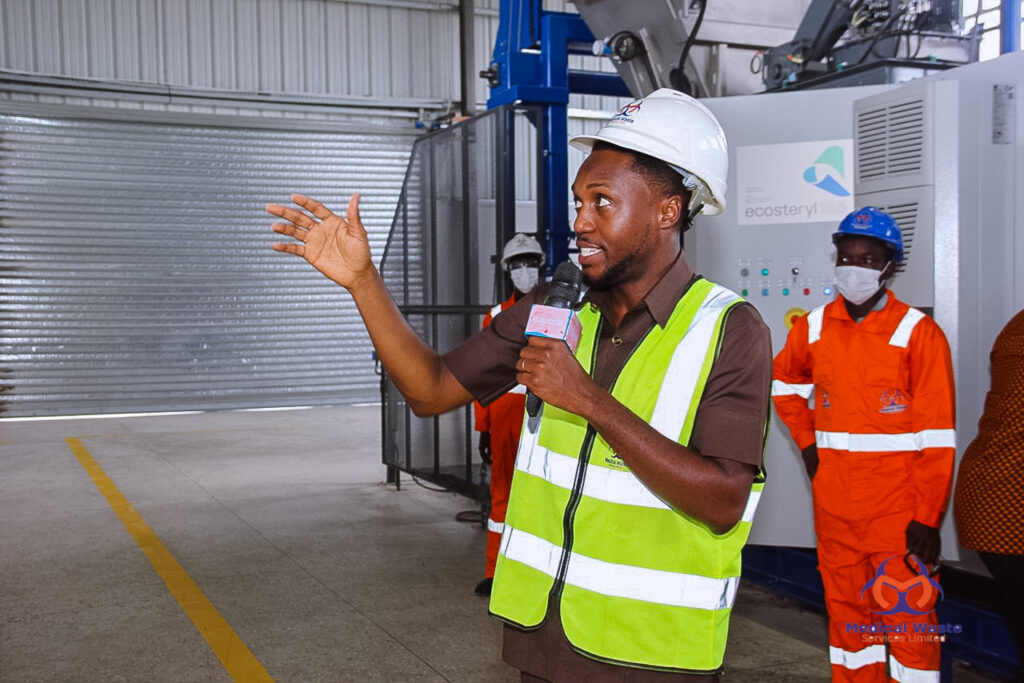
    At the facility’s commissioning, Hon. Mahama Asei Seini, the Deputy Minister of Health, emphasized that Ghana’s commitment to safeguarding public health, preserving the environment, and promoting sustainable development is evident through the establishment of this facility.

    Emphasizing the importance of proper medical waste management, Hon. Mahama Asei Seini highlighted that medical waste contains potentially infectious and hazardous materials, posing significant risks to human health and the ecosystem when not handled appropriately.

    He stressed the necessity of adopting responsible and efficient measures to curb disease transmission, safeguard healthcare workers, and reduce environmental impacts.

    Furthermore, he mentioned that the facility would cater to all healthcare establishments in the region and neighboring towns. With a daily waste treatment capacity of 10,000kg (10 tonnes), the facility is set to create more than 200 direct and indirect job opportunities.

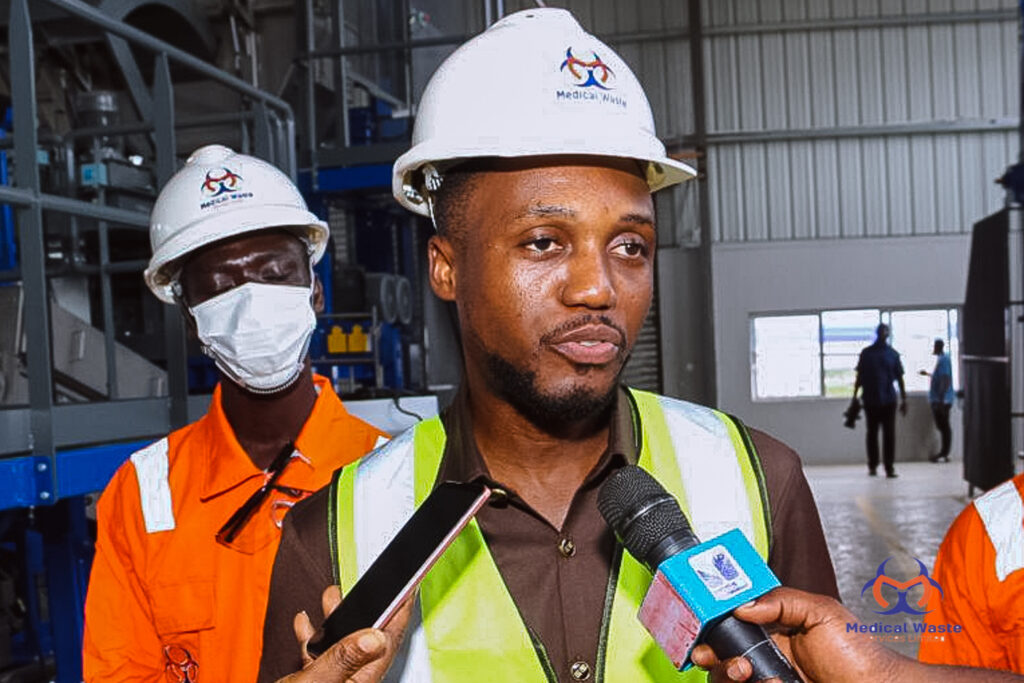
    Haida Said, the Executive Director of Processing Cluster E&S Group, emphasised that the pandemic brought into focus the crucial importance of handling medical waste with caution to prevent the spread of infectious diseases within the country. He extended his gratitude to President Nana Addo for fostering an enabling environment that allows the private sector to contribute effectively to this vital cause.

    Hiahene Prof. Oheneba Boakye Adjei, representing Otumfou Osei Tutu, expressed admiration for the partnership between the Government of Ghana, Ecosteryl of Belgium, and the Jospong Group, which successfully brought the project to life.

    H.E. Harriet Sena Siaw-Boateng, the Ghana ambassador to Belgium, viewed the facility as a significant milestone, underscoring Ghana’s dedication to achieving Sustainable Development Goals SDGs. 3 and 12.

    The Kumasi Medical Waste Treatment facility is part of a broader initiative undertaken by the Jospong Group of companies in collaboration with the Ghanaian government. Their joint effort aims to establish 14 centralized medical waste treatment facilities throughout the country

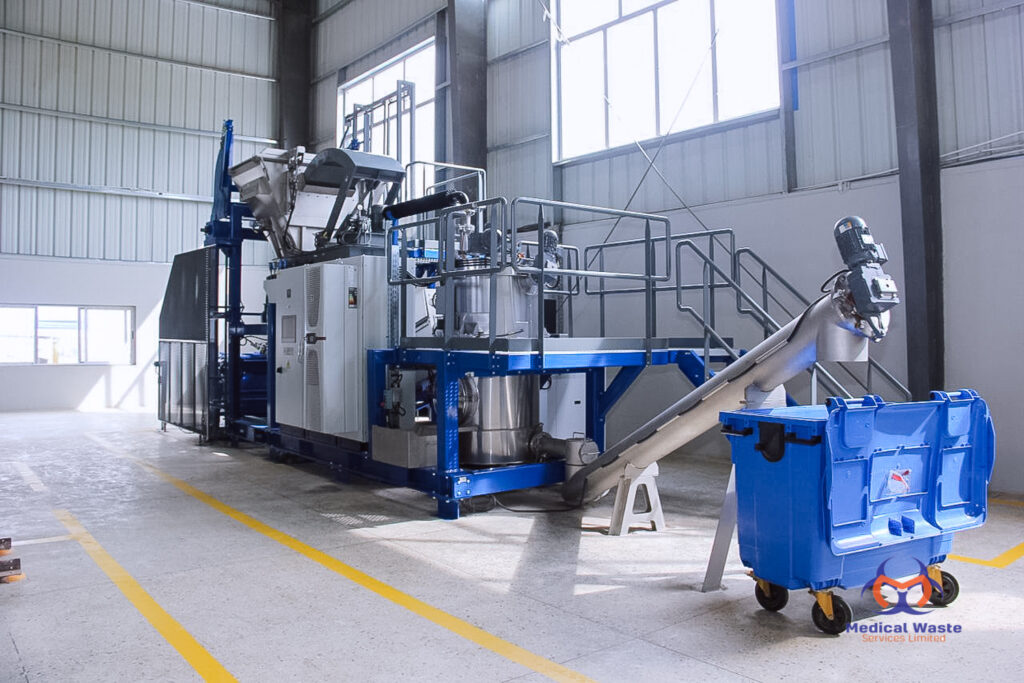
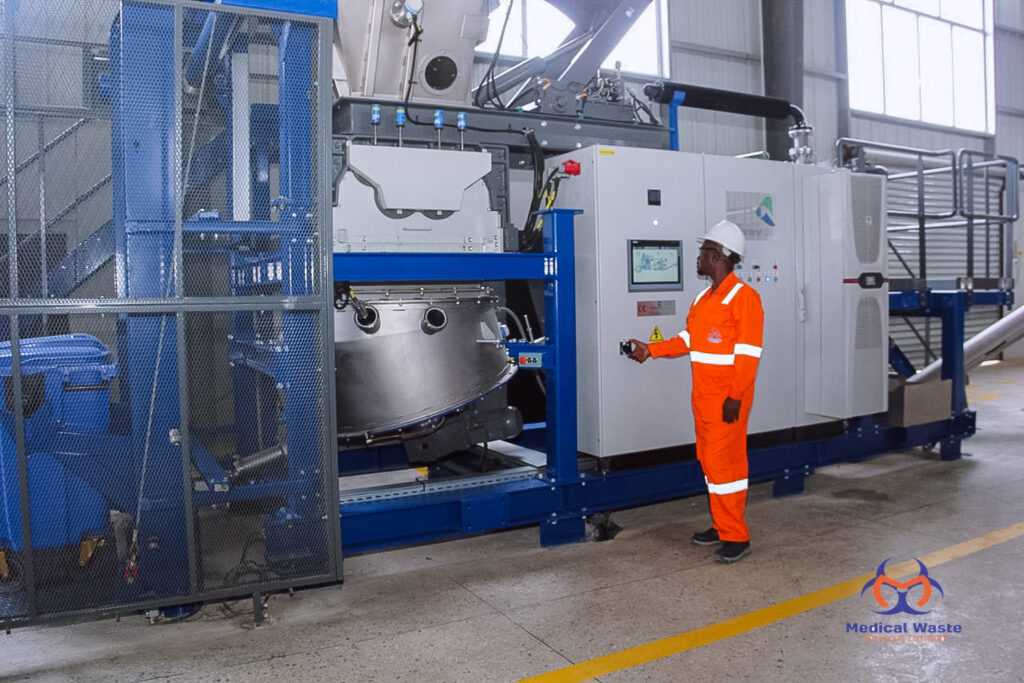
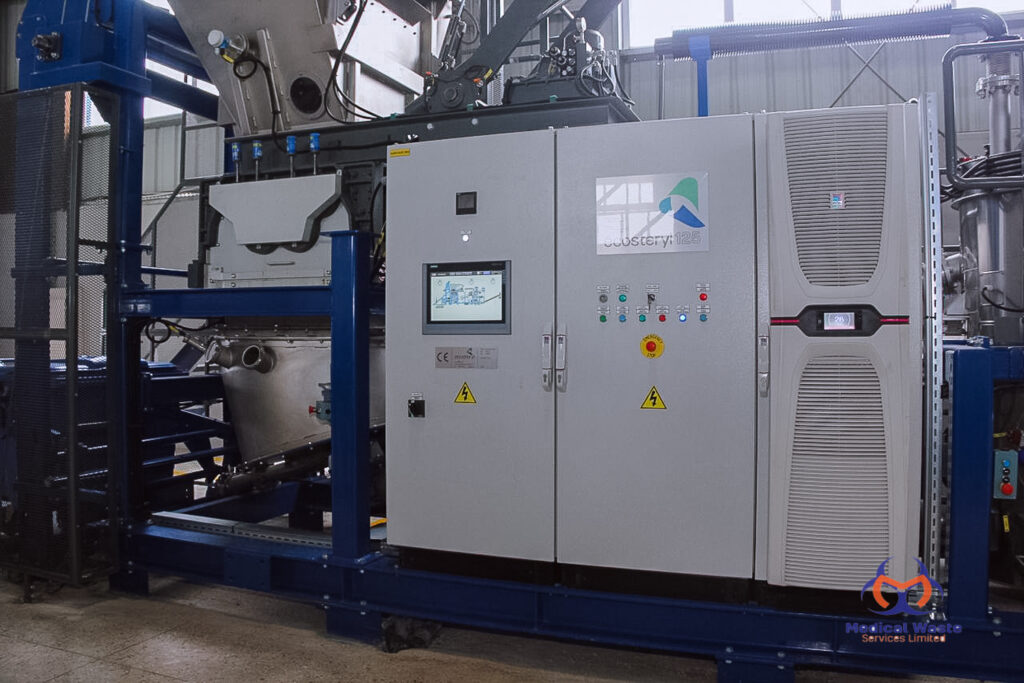
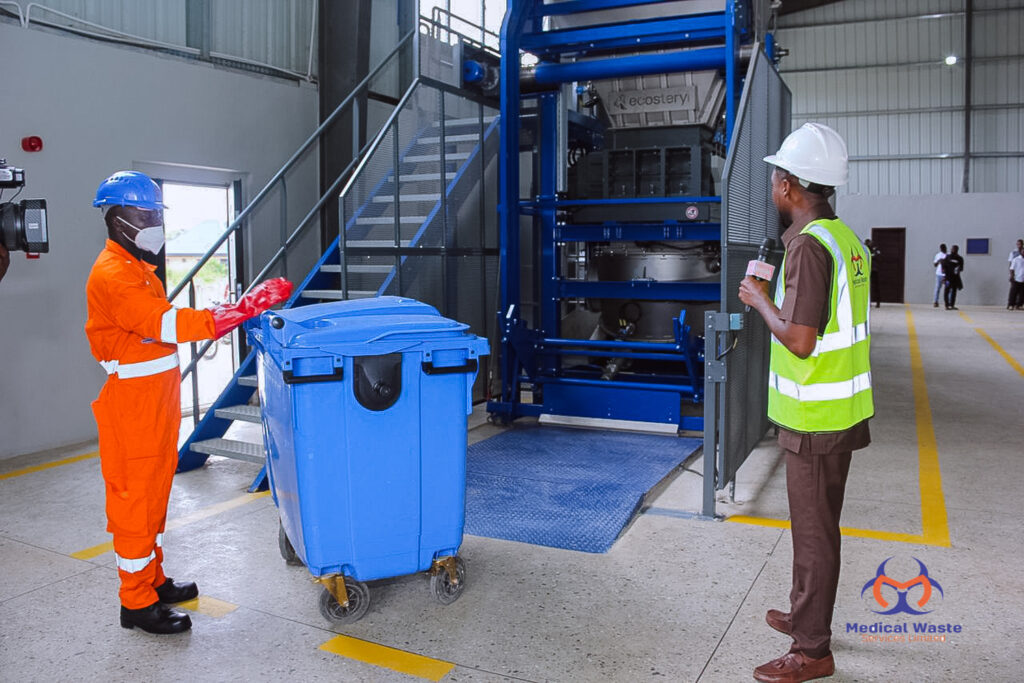
    The primary purpose of the Kumasi Medical waste treatment facility is to collect and treat hazardous healthcare waste components, including used syringes, blood-stained materials, pathological waste, COVID-19 waste, and waste from vaccination exercises. It serves all healthcare facilities within the region and its surrounding areas. The facility is equipped with two state-of-the-art Microwave Treatment Equipment that have a daily capacity to handle an average of 10,000kg (10 tonnes) of hazardous waste. This equipment not only effectively treats the waste but also recycles it, adding value and reducing the amount of waste destined for landfills.

    The non-incineration technique employed by the equipment ensures there are no atmospheric pollutants released, promoting environmental health and safety.

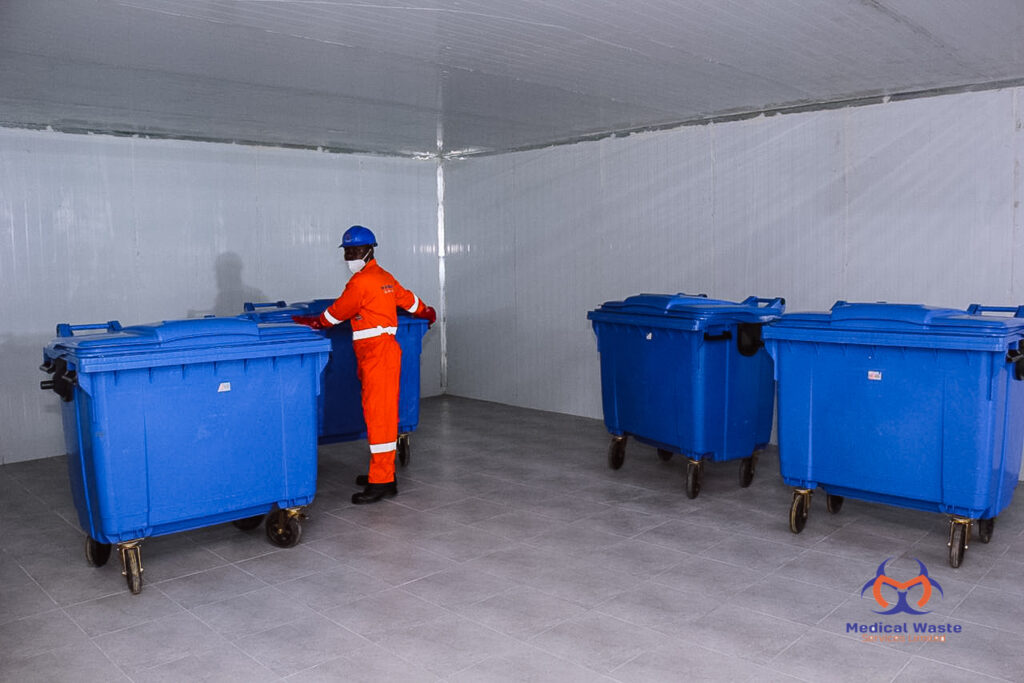
    In addition to the treatment equipment, the facility features a Coldroom for waste storage and specialized waste trucks for transporting medical waste from various healthcare facilities to the treatment site.

    The facility also aligns with Ghana’s commitment to the United Nations Sustainable Development Goals, specifically contributing to the goals related to environmental sustainability, health and decent work, and economic growth.

    Overall, the facility plays a crucial role in addressing the proper management and treatment of hazardous healthcare waste in Ghana. By utilizing advanced technology, recycling capabilities, and adhering to environmental and safety standards, the facility contributes to the achievement of national and international sustainability goals.

  • The first of 16 Regional IRECOPs commissioned by the President at Damongo

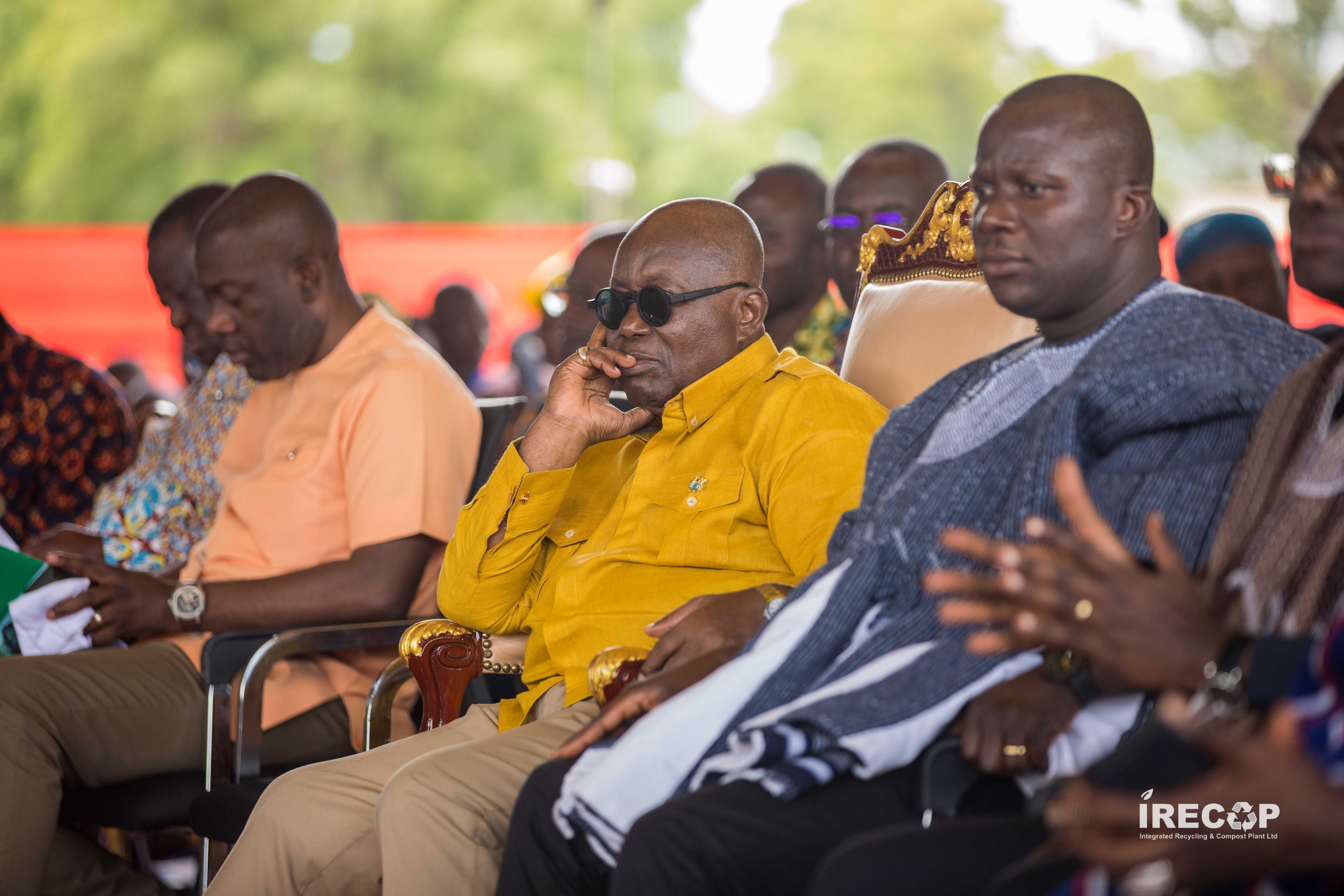
    The Integrated Recycling and Compost Plants (IRECOPs) project that was launched with sod-cutting ceremonies across the 16 regions of the country in 2020, has reached far advanced stages of completion with the first of it all being commissioned by the president, H.E Nana Addo Dankwa Akufo-Addo on the 24th August, 2022.

    In a grand event at the IRECOP site in Damongo, the President, in the company of the Savannah Regional Minister – Hon. Saeed Muhazu Jibril, Member of parliament for the Damango Constituency – Hon. Samuel Abu Jinapor, Minister for Information – Kojo Oppong Nkrumah, Minister for Local Government – Dan Kwaku Botwe, Minister for Roads and Highways – Hon. Kwasi Amoako-Attah and some government officials graced the occasion to rally their support to this landmark achievement in the Savannah Region and the Country. Seated graciously in the midst of the people of Damongo was the Vice President of the Savannah House of Chiefs – Buipewura Abdullai Jinapor, and 32 other paramount Chiefs.

    The event was kick started by a warm welcome address by the Savanah Regional Minister, iterating the salience of the completion of the project and its tremendous foreseeable benefits to the people of Damongo and surrounding communities. He then thanked the president for showing endless support to the Savanah Region and extended profound gratitude again for the creation of the new regions which includes the Savanah Region, and said that this will foster speedy development and build a strong foundation for sustainable development in the regions and country. “Now Savannah has a place, respect and recognition. And for that, the people are very grateful.” 

    Followed by a message from the Yagbonwura – President of the Savannah Regional House of Chiefs, he complimented the president on delivering on his promise to deliver a region to the people of the Gonja Kingdom, which has resulted in the establishment of other structures and facilities for his people. He then thanked the executive chairman of the Jospong Group of Companies for establishing the integrated recycling and compost plant in the region and assured that the people in the region will assist in providing raw materials to the plant and also develop maintenance culture to protect the facility. 

    Dr. Joseph Siaw Agyepong spoke right after and in his speech, recalled the task received by him and the Jospong Group of Companies to establish a composting plant, which has been delivered after just a couple of years. Highlighting the superb works that has been done in these years. He stated that, the global crisis highlights the president’s vision and foresight of investing into a compost fertilizer facility, saying: “Global events of today points to your visionary leadership, when you supported the establishment of a compost plant, which had the capacity to produce fertilizer, little did we know that there will be a Russia-Ukrainian war. As we all know, the war has had serious consequences on fertilizer imports. The capacity to forsee problems and respond to them with the boldness of vision is the mark of a good leader like President Nana Addo Dankwa Akufo-Addo.”  

    The president has established 38 waste treatment plants in the areas of solid, liquid and medical waste across the 16 regions of the country which will collect, treat and process municipal waste into usable products.”

    He also reiterated the importance of the plant to the people as it will create several job opportunities, 200 direct jobs and 300 indirect jobs for people that will haul the waste to the treatment site. 

    He expressed profound gratitude to the President, he Hon. Minister for Sanitation and Waste Management – Cecilia Abena Dapah, Parliamentary Select Committee on Environment and Local Government, Engineers and Contractors, Chiefs and the people of Damongo for making this construction process a great success. 

    Speaking at the ceremony, the President indicated that waste management issues has been a perennial problem the country faces. “It has been a perennial problem for our country. But, fortunately, for me, in my time, I came across a man who was prepared to partner with government to deal with the question of waste disposal in our country. And it has been one of the highlights of my government – the partnership that the government has made with the Jospong Group of Companies, headed by its Executive Chairman, Joseph Siaw Agyepong,” he said.

    In thanking Joseph Siaw Agyepong for his contribution “to the development of our country,” President Akufo-Addo noted that “any serious businessman that has a programme for development in his sector, and is seeking the partnership and assistance of government, this Government, Nana Addo Dankwa Akufo-Addo’s Government, will give him that support and partnership for us to develop the country together.” 

    This highlights the President and this government’s unflinching support to the private sector development.

  • Jospong Funds Research In Environmental Sanitation.

    26 Researchers Benefit

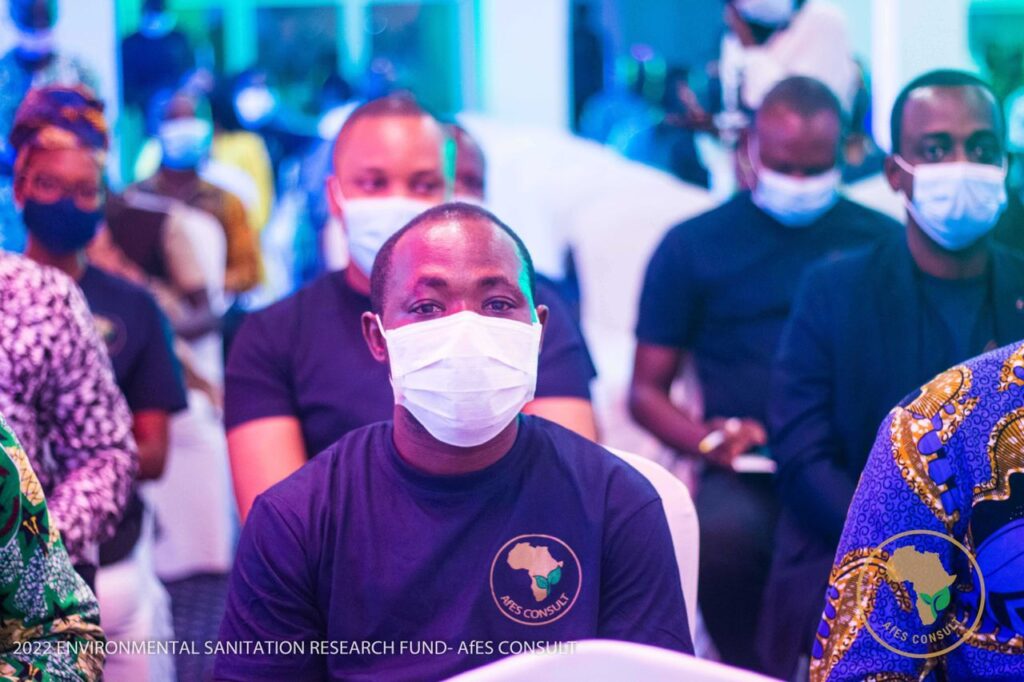
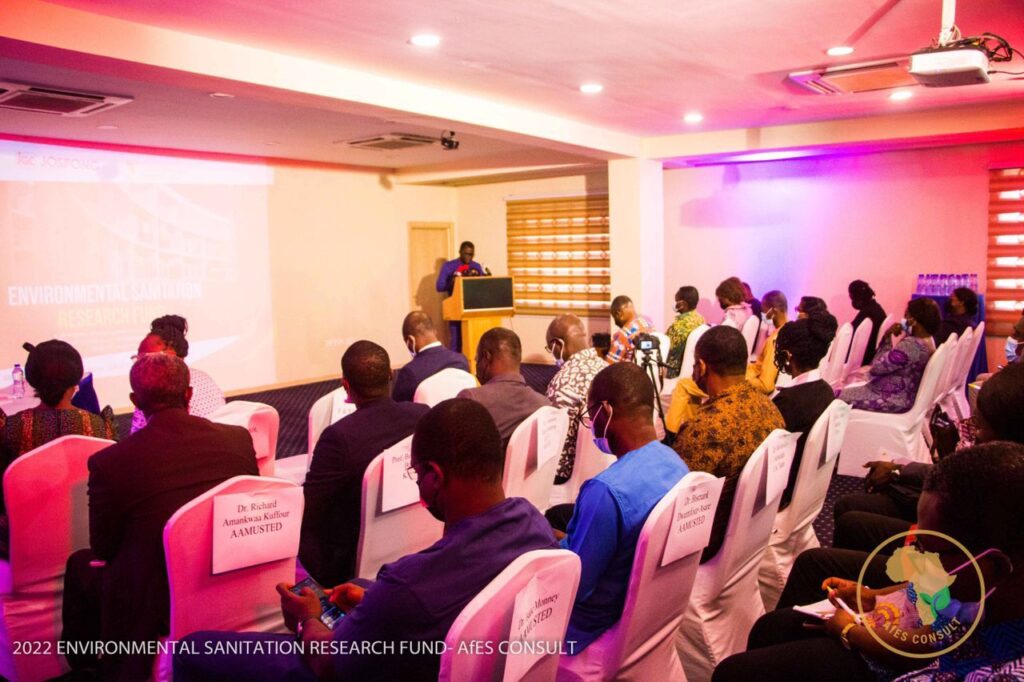
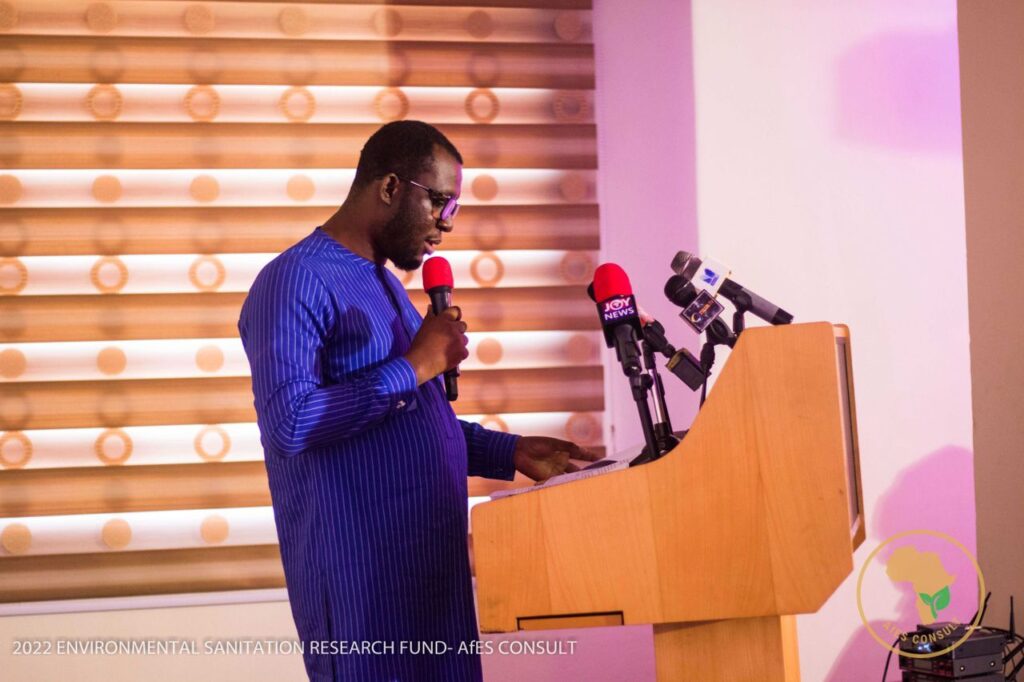
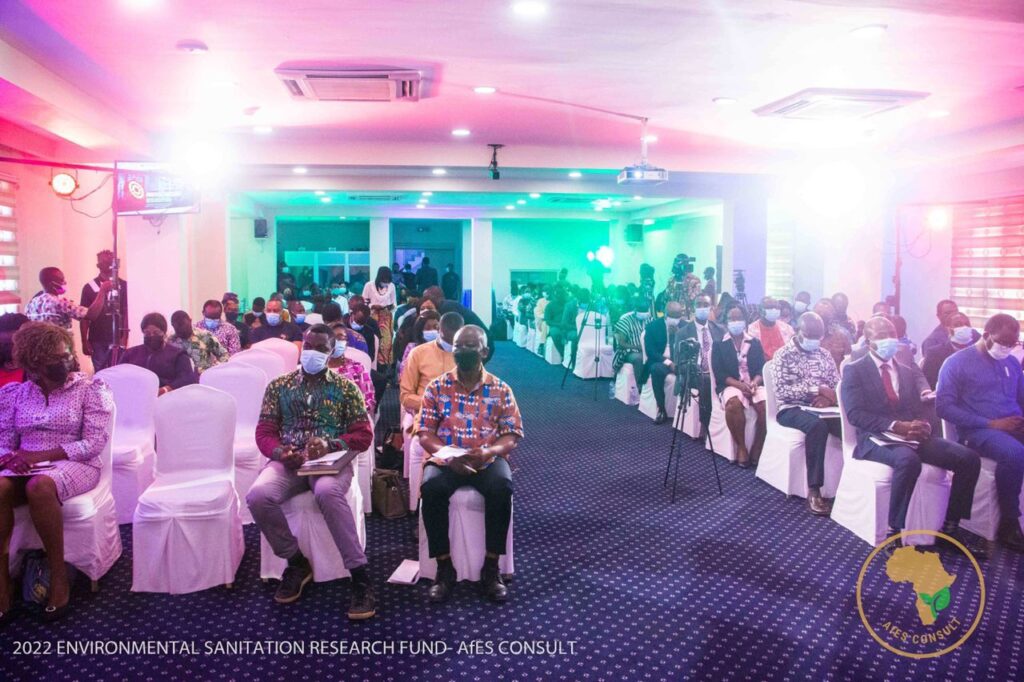
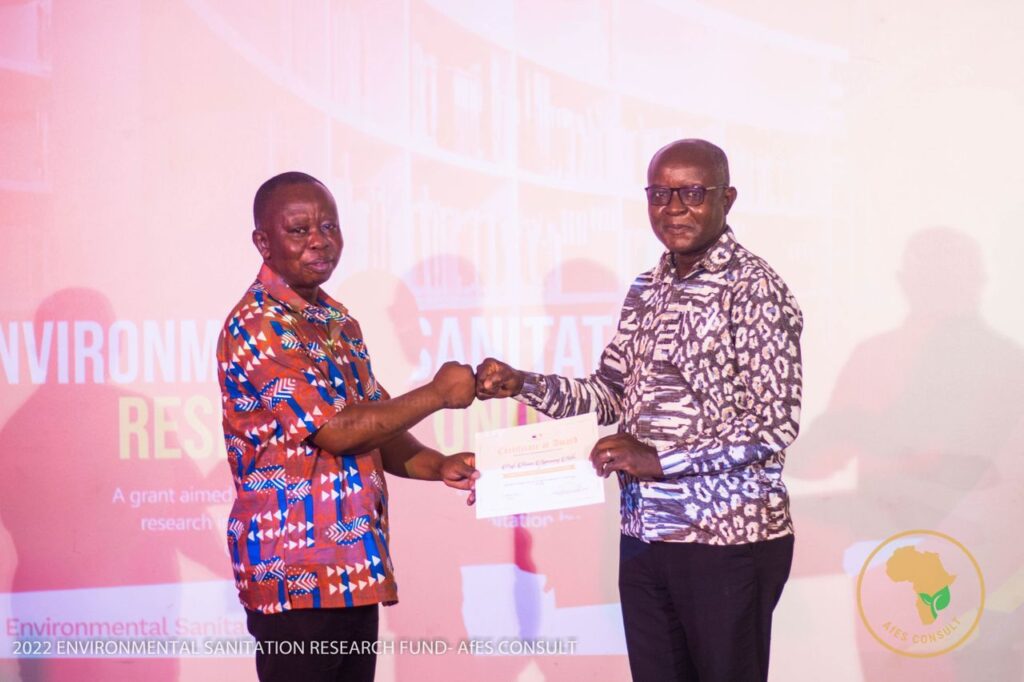
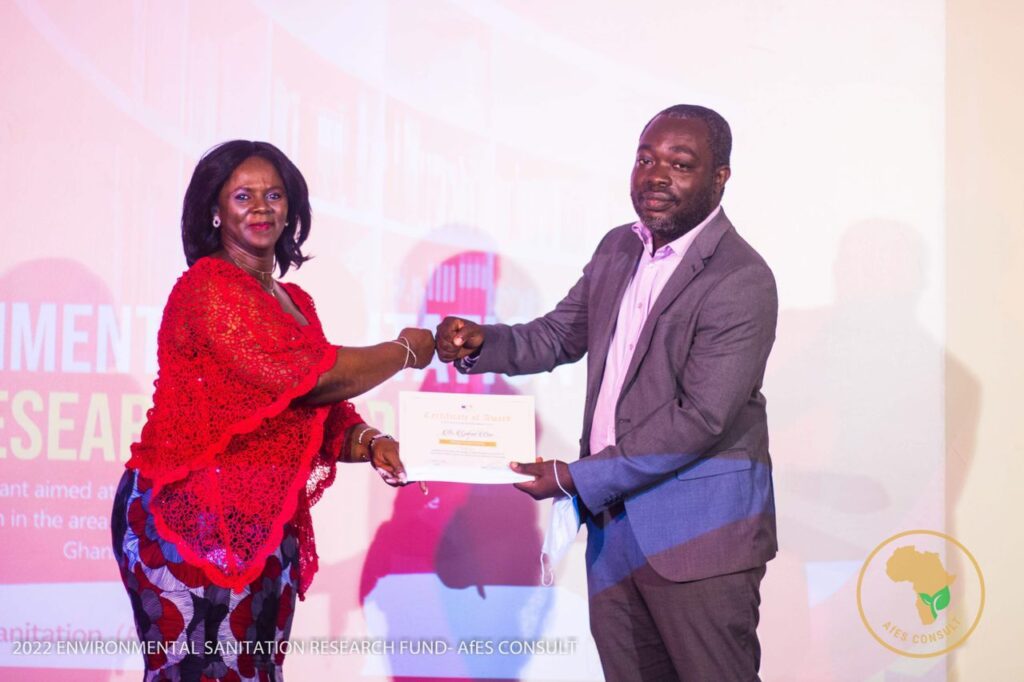
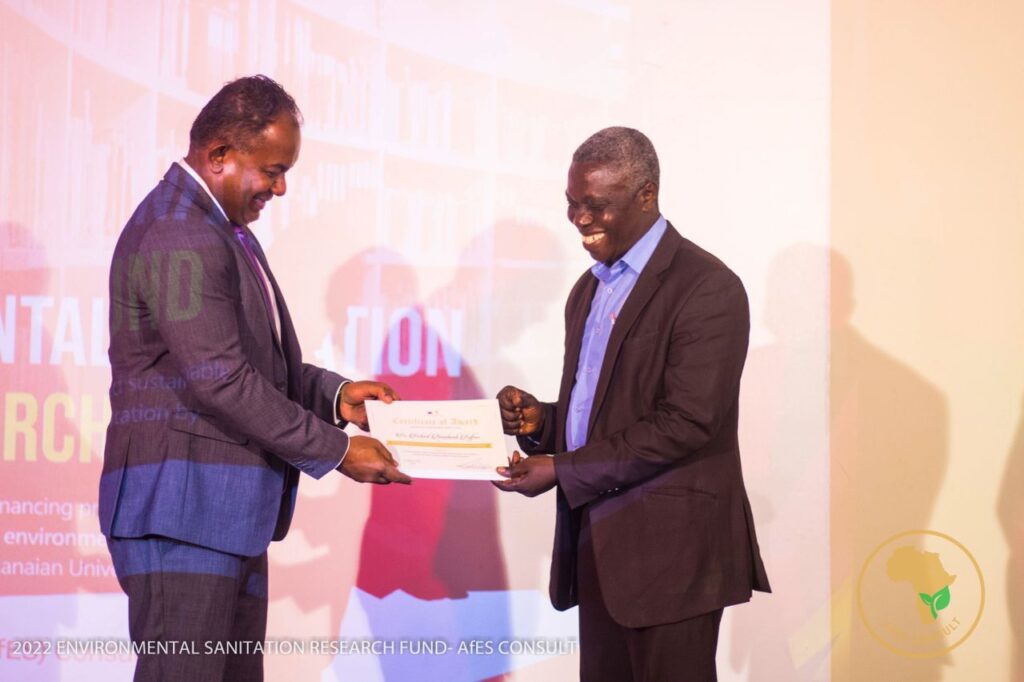
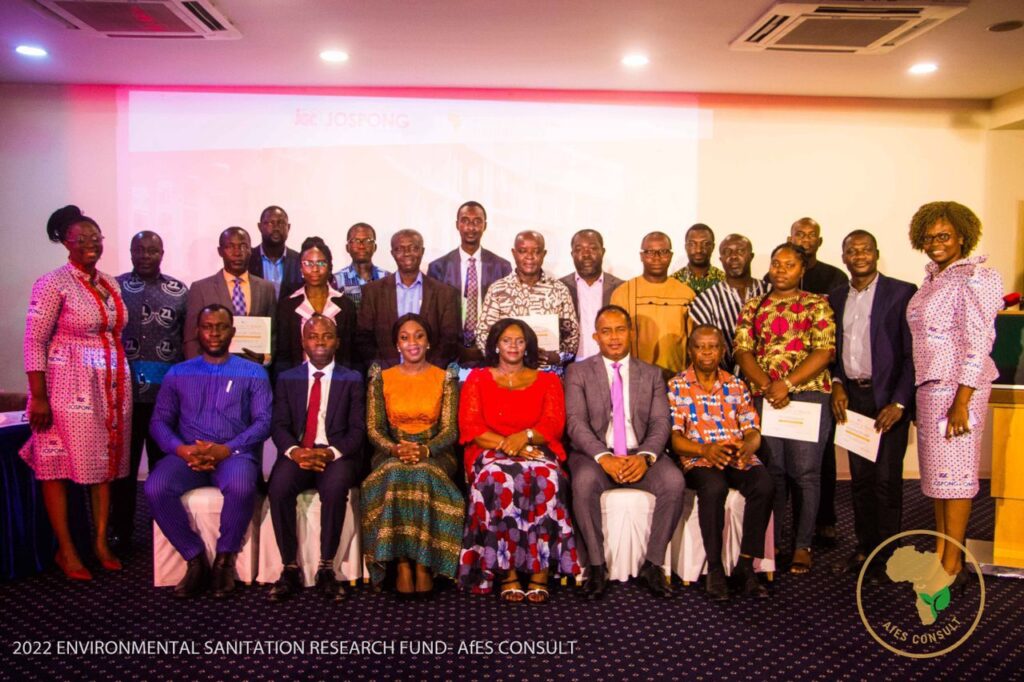
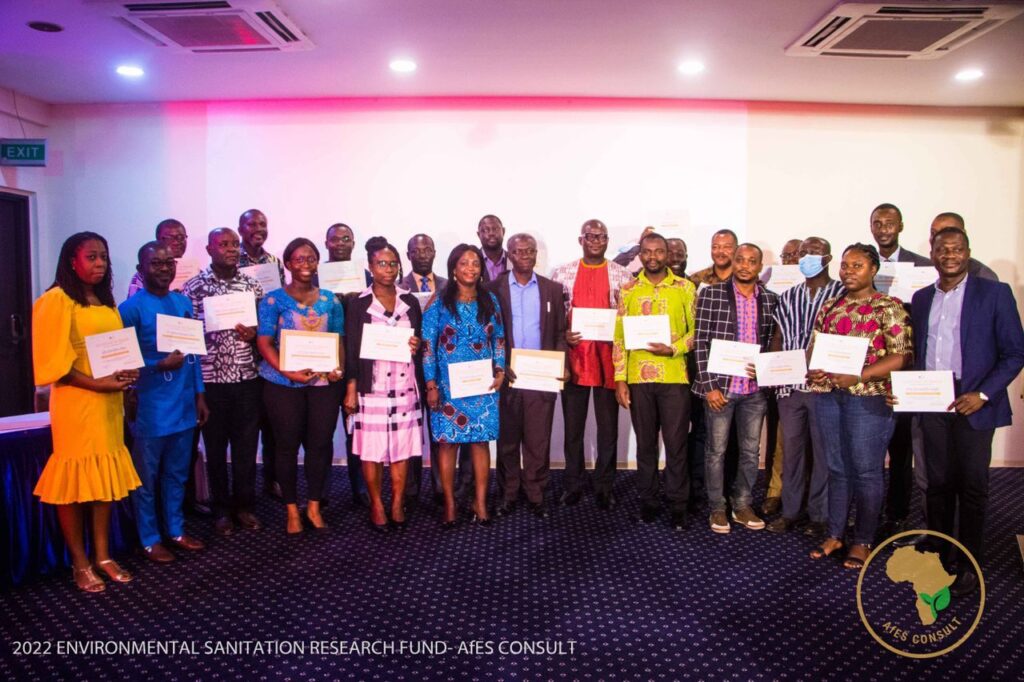
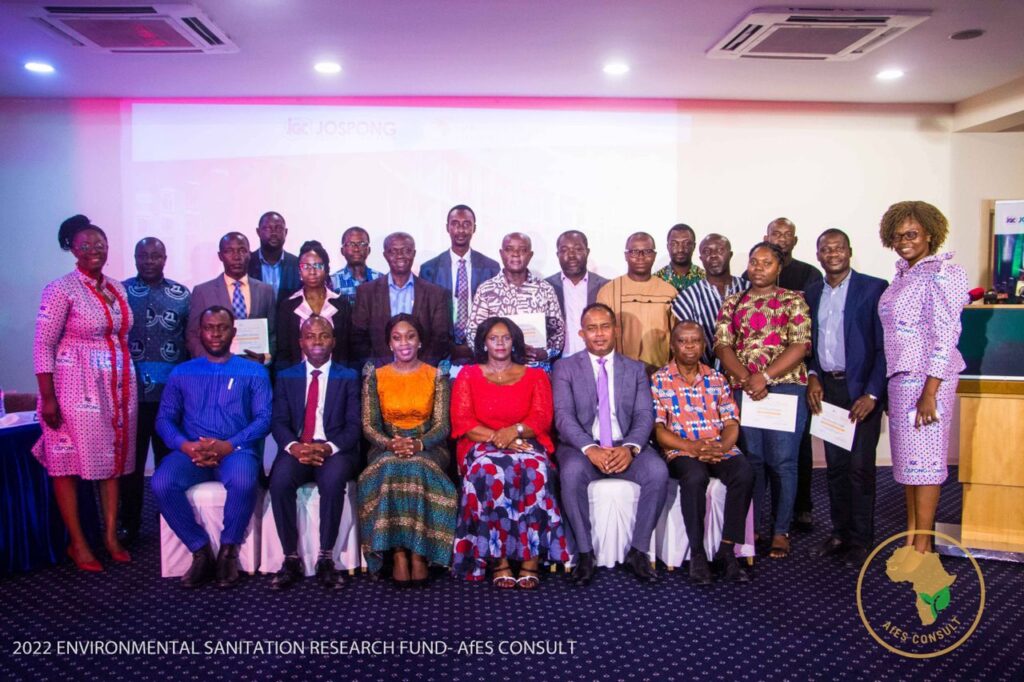
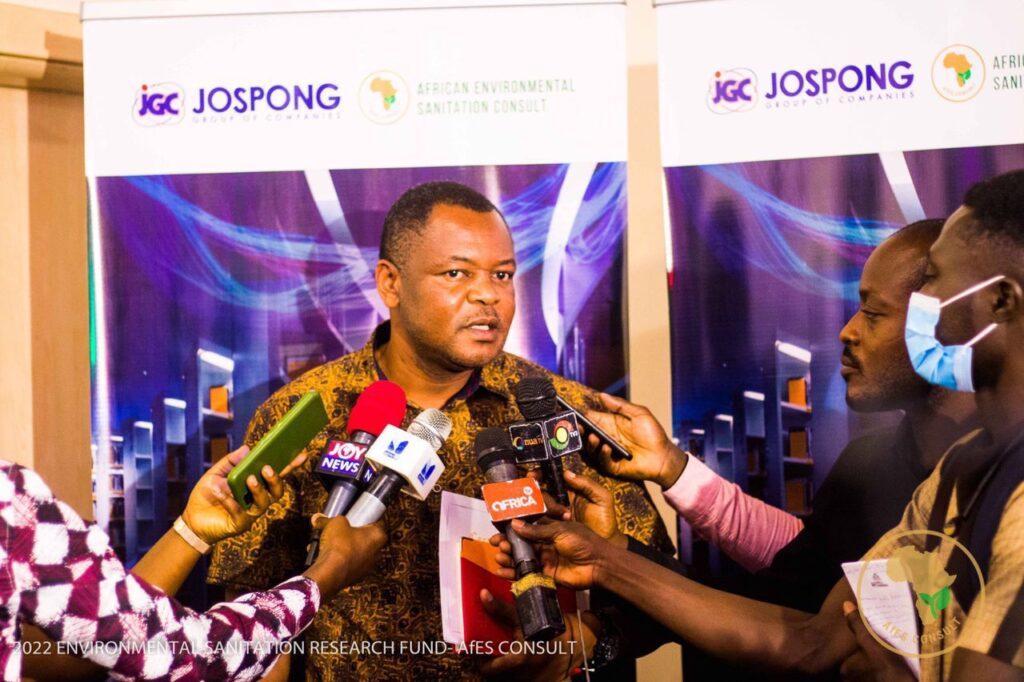
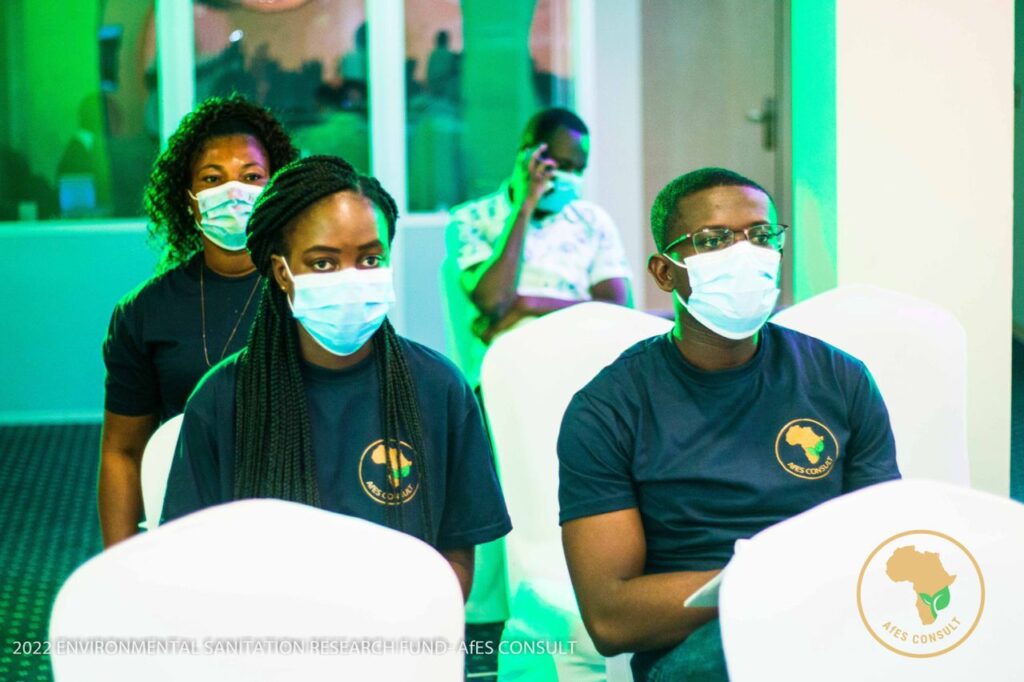
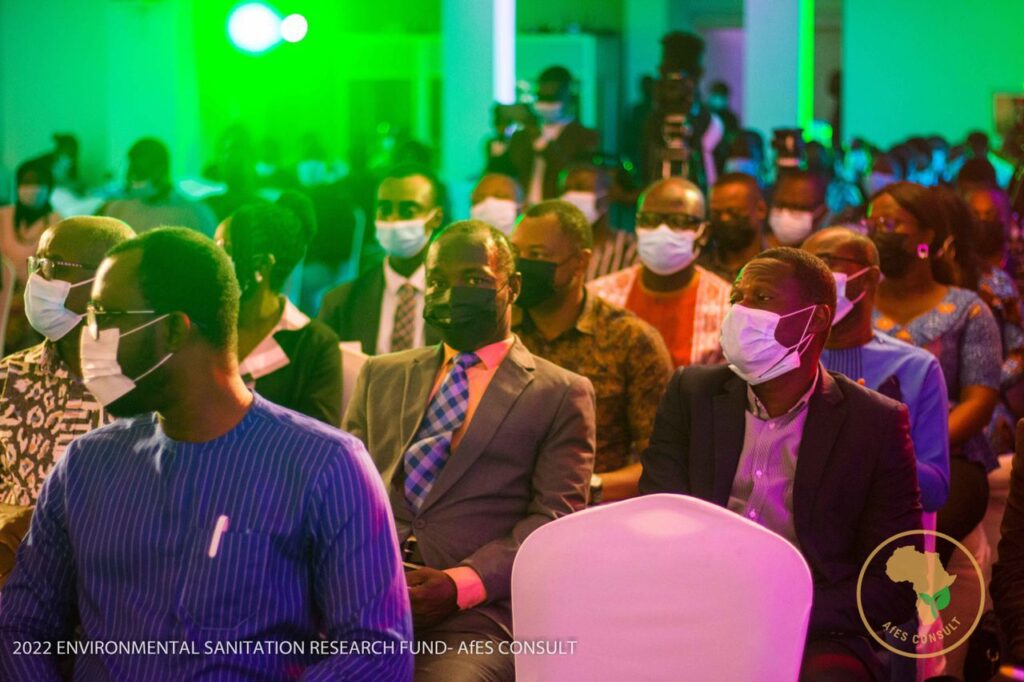
    Twenty-six (26) teams of researchers from thirteen (13) universities and research institutions across the country have received grant from the Jospong Group of Companies’ (JGC) Environmental Sanitation Research Fund (ESRF) to investigate issues in the space of environmental sanitation.

    The grant is expected to fund research projects led by these researchers to help keep Ghana clean, and more importantly, for governments to achieve the United Nations (UN) Sustainable Development Goals (SDGs).

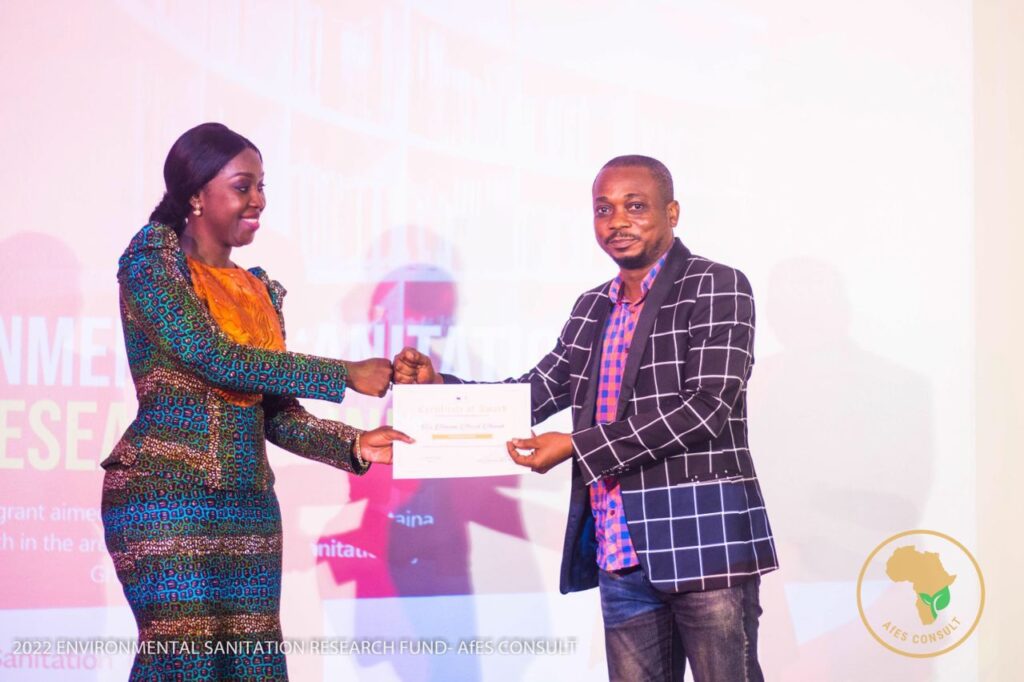
    The maiden ESRF awards saw the Africa Environmental Sanitation (AfES) Consult Limited, the administrators of the fund, present certificates to all the successful applicants.

    The teams and their number of researchers are from institutions including Akenten Appiah-Menka University of Skills Training and Entrepreneurial Development (4), C.K. Tedam University of Applied Science (2), Council for Scientific and Industrial Research – Institute for Industrial Research (1), Ho Technical University (2), Institute of Local Government Studies (1), Kwame Nkrumah University of Science and Technology (5), Kumasi Technical University (1) and Koforidua Technical University (1).

    The rest are University for Development Studies (1), University of Energy and Natural Resources (1), University of Environment and Sustainable Development (2), University of Education, Winneba (2), University of Ghana (1) and University of Professional Studies (2).

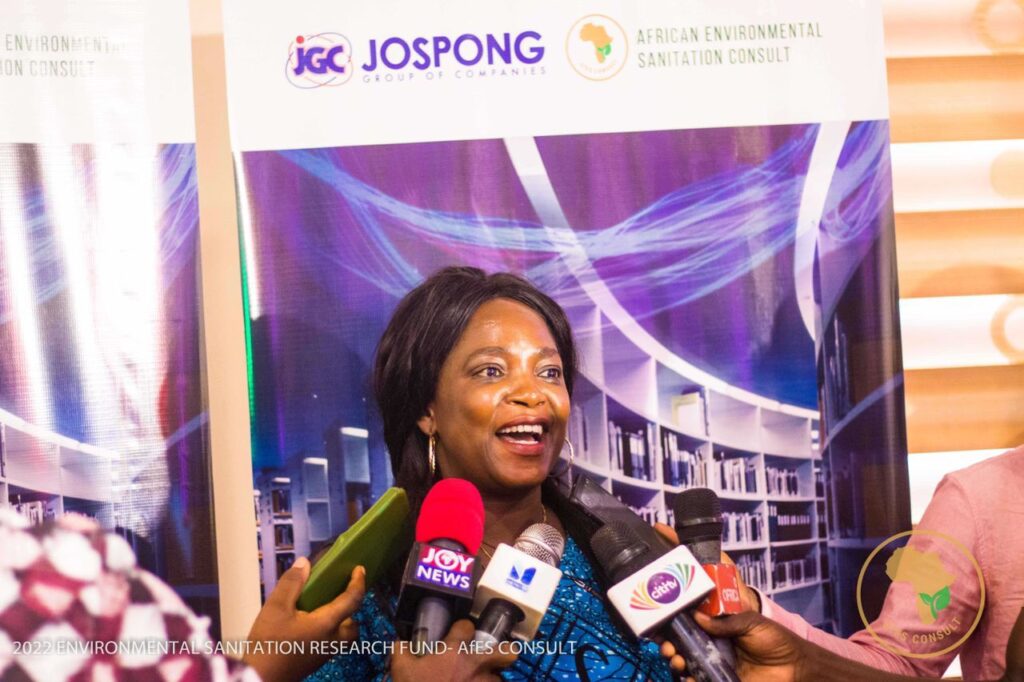
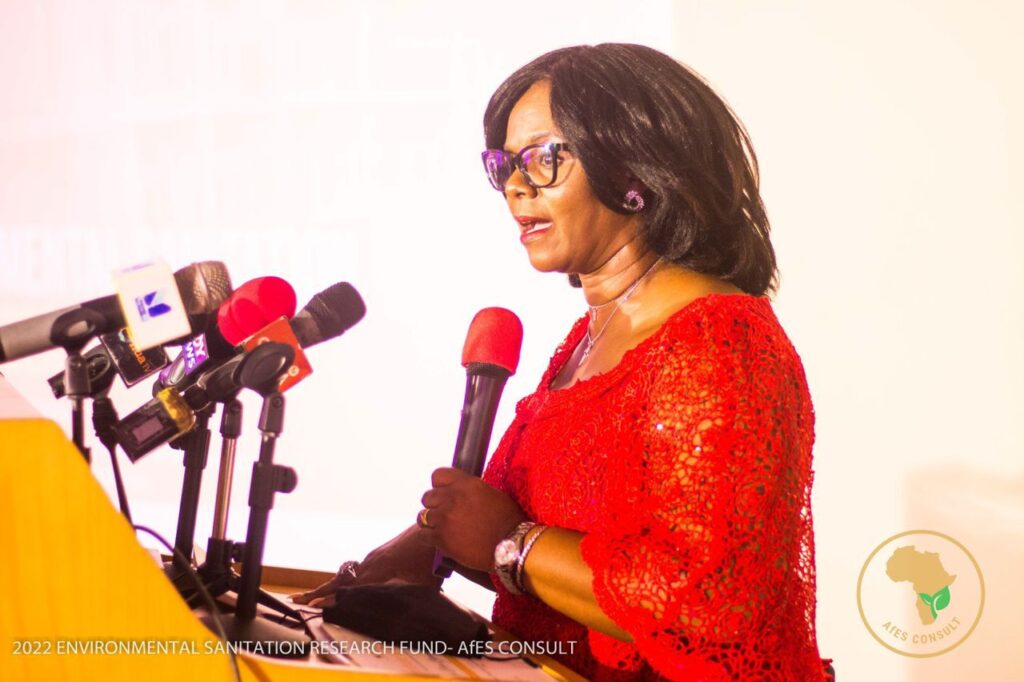
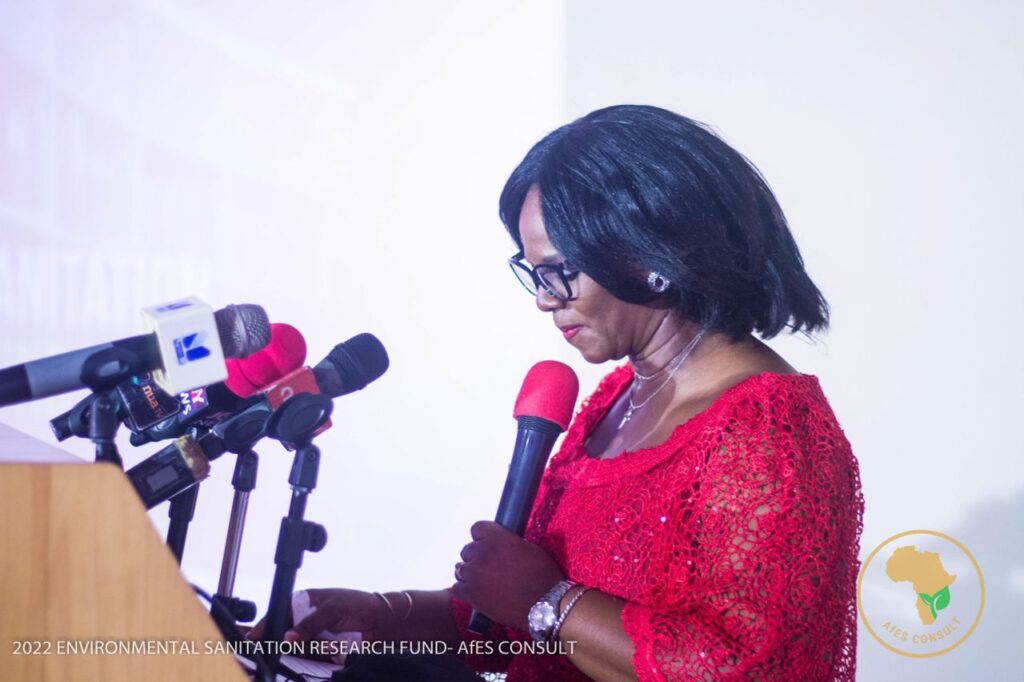
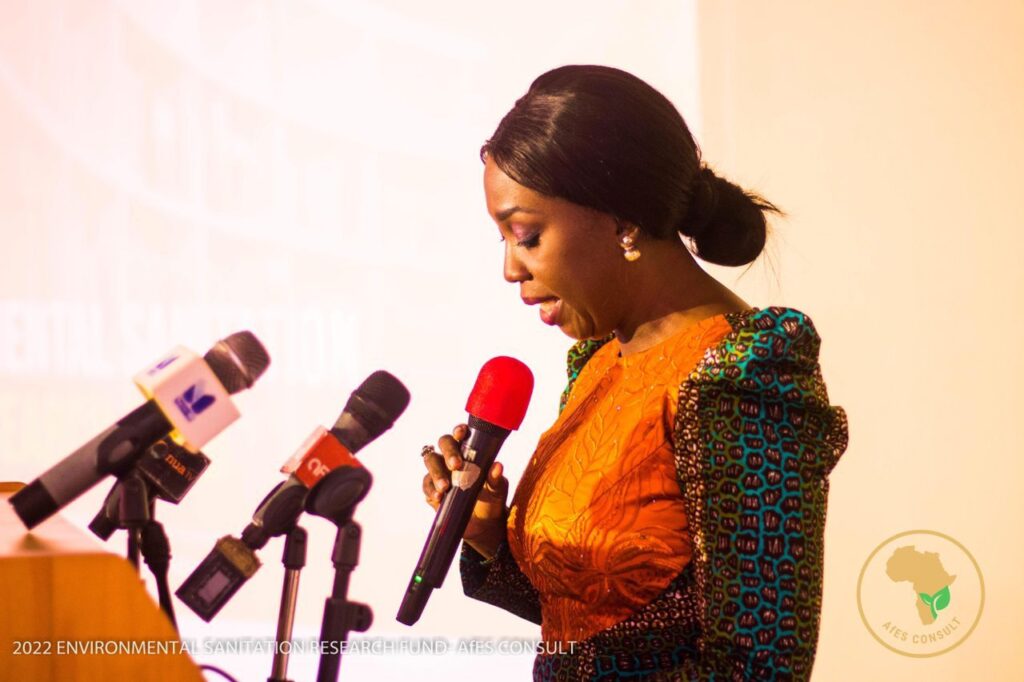
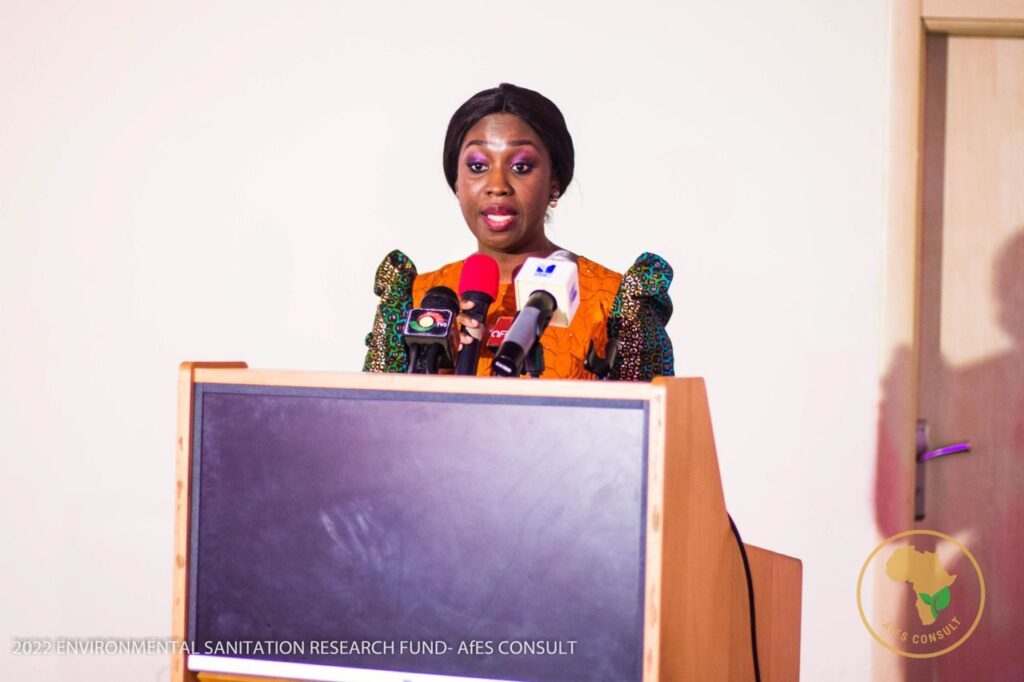
    In her welcome address, the Managing Director of, AfES Consult Ltd., Dr. (Mrs.) Abena Asomaning Antwi, said these institutions will conduct their research within their respective regions, adding that they constitute eight (8) out of the sixteen (16) regions of the country.

    “These projects will help in development and the realisation of the SDGs on climate action, clean water, and sanitation. The research topics include waste to energy, improvements to the solid and liquid waste management systems, and enhancement of compost quality, among others,” she disclosed.

    According to her, the 26 teams of successful researchers were selected out of 45 applications.

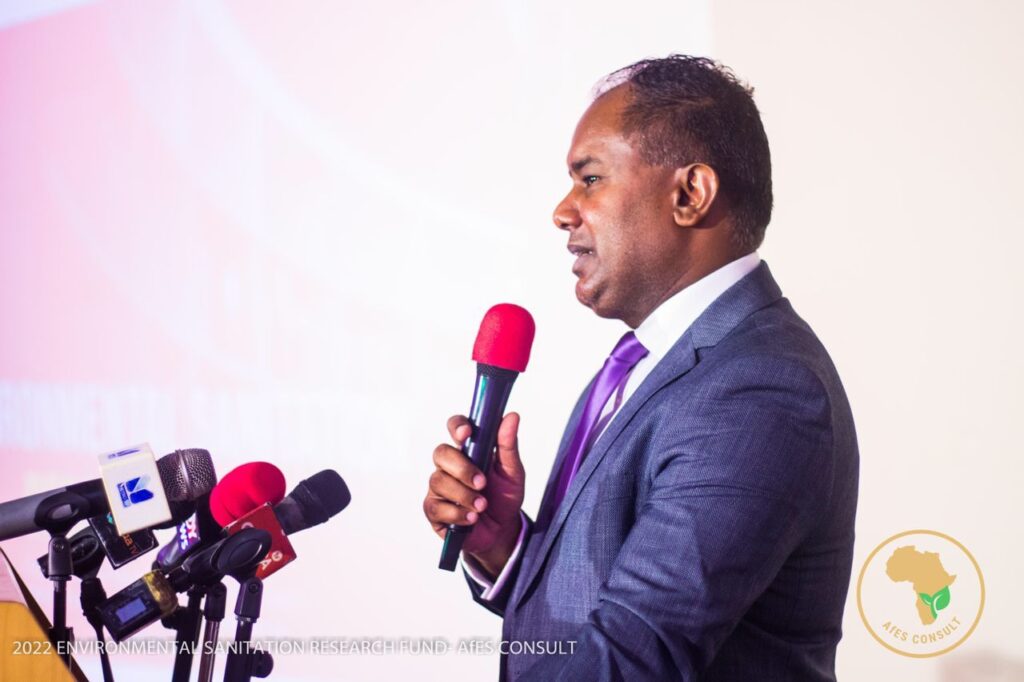
    While congratulating the winners and commending the organisers including JGC and AfES Consult Ltd., the Board Chair of AfES Consult Ltd., Dr. Mercy Gardiner Tenkorang, underscored the importance of research and development on the environment and sanitation.
    She explained that this funding scheme will provide the necessary support for practical and empirically based sustainable research in the field of environmental sanitation.
    This, she added, will help bridge the “ever-widening gap” between academia and industry: “specific industry problems within the eco-system of waste management will be identified and researched for sustainable solutions.”
    “Private sector development has resulted in a significant improvement in the investment of technologies for waste service delivery since the privatisation of the sector some decades ago.
    “It is obvious that private sector players, such as the Jospong Group of Companies with keen focus on its waste companies, have given critical components for developing models aimed at guaranteeing sustainable waste collection, recovery, and disposal. Over time, this progress has improved economic growth, reduced poverty, and ensured a safe, clean, and habitable environment,” Dr. Gardiner Tenkorang said.
    However, the board chair of AfES Consult Ltd., indicated that thriving private sector in environmental sanitation was saddled with socioeconomic and environmental challenges in their day-to-day business operations.
    These challenges, she pointed out, included finding new ways to add value to the waste collected by adopting circular economy models, and other environmentally friendly approaches such as green and smart cities.
    She said these challenges required innovation and long-term solutions that were both cost-effective and environmentally beneficial in order to promote and sustain economic growth and well-being.
    “To foster economic growth and social inclusion, a knowledge-based society is required, thus investment in research and development (R&D). However, this will not happen by itself. It will need a long-term commitment to quality scientific inquiry, and innovation to steer continuous progress in business and policy while also ensuring that a competent peer-review procedure is in place to lead funds toward high-quality science,” Dr. Gardiner Tenkorang urged.
    The Chief Operating Officer (COO) of Environment and Sanitation Group of the JGC, Mrs. Florence Larbi, in a speech read for her, stressed that for the gains along the waste management value chain to be sustained and further improved, there was the need for a “strong research, development and innovation framework.”
    “An integrated system should focus on both the technical and non-technical elements of waste management and strategic and appropriate partnership with stakeholders. …Elements to be considered will not only include research and development. Findings should be integrated with good governance, adequate funding and communication,” she suggested.
    In this regard, Mrs. Larbi underscored the need for waste management solutions to look beyond just disposal of waste and “move up the so-called hierarchy which factors waste prevention, minimisation, re-use and recovery.”